

Blog

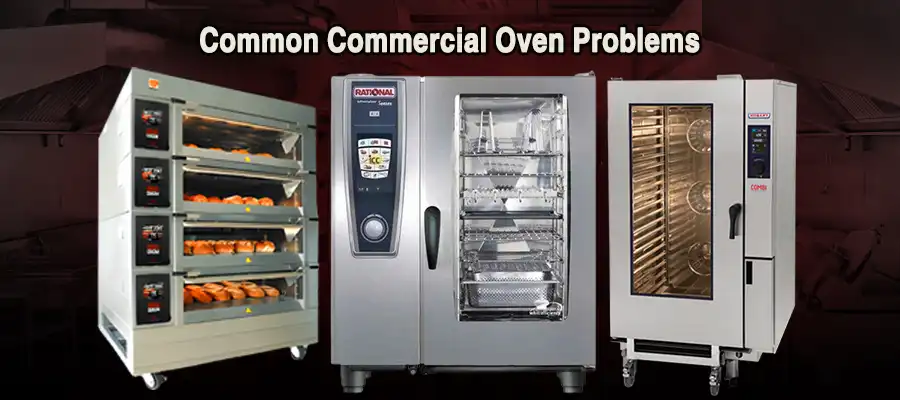
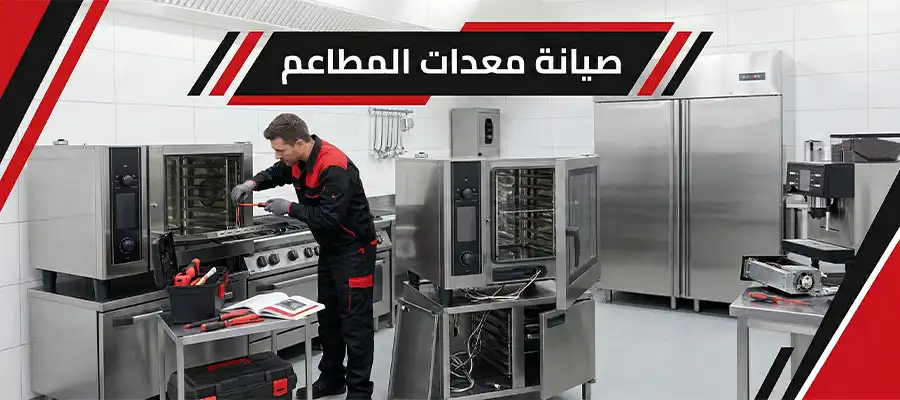
Restaurant ovens are among the most essential pieces of equipment for ensuring food quality and fast service. Due to heavy daily use and high work pressure, these ovens may experience various failures that affect performance, food quality, and overall kitchen efficiency. Understanding the most common restaurant oven problems and their causes helps restaurant owners and technicians respond quickly, apply preventive maintenance, and reduce potential losses. This article highlights the most common restaurant oven failures and explains prevention and maintenance practices to ensure continuous and efficient operation.
Most Common Restaurant Oven Problems
With frequent daily use under intense working conditions, it is normal for restaurant ovens to encounter issues that impact performance and cooking quality. Identifying these problems early helps reduce downtime during peak hours.
- The oven does not heat or fails to reach the required temperature
This may be caused by a faulty heating element, a damaged thermostat, or a malfunctioning control panel. - Uneven heating inside the oven
Heat may not be distributed evenly, leading to inconsistent cooking results. This is often due to a defective fan or heating element. - Reduced heating efficiency or gradual temperature drop
Usually caused by a damaged temperature sensor or weak electronic control components. - Complete shutdown or failure to start
Can result from electrical issues, gas ignition failure, or a malfunctioning electronic control board. - Unusual noises during operation
Clicking or abnormal vibration may indicate problems with the ventilation fan, motor, or internal components. - Strange odors or smoke during operation
Often caused by grease buildup inside the oven or serious electrical faults requiring immediate inspection. - Gas oven problems such as weak ignition or gas leaks
These issues may indicate burner blockage or dangerous gas leaks and require intervention from a qualified technician.
What Are Restaurant Ovens and Their Main Types?
Restaurant ovens are essential equipment in any commercial kitchen. They provide fast cooking with consistent quality while maintaining ideal taste and texture. Unlike household ovens, they are built for higher power, larger capacity, and continuous operation.
- Electric ovens
Operate using electricity, provide even heating, and allow precise temperature control. Ideal for bakeries and small restaurants. - Gas ovens
Run on natural gas or propane, offer faster cooking, and lower operating costs, but require careful maintenance for safety. - Convection ovens
Equipped with fans to distribute heat evenly, making them ideal for baking pastries and consistent cooking. - Deck or stone ovens
Provide direct heat on hot surfaces and are commonly used in bakeries and pizza restaurants. - Combi ovens (multi-function ovens)
Combine steam and dry heat, allowing the cooking of various foods with high efficiency. - Countertop ovens
Suitable for limited spaces and quick reheating or product display without the need for large ovens.
How to Prevent Common Oven Failures
Preventive maintenance is not optional in commercial kitchens—it is an investment that reduces unexpected downtime, preserves food quality, and extends equipment lifespan.
- Clean the oven regularly to remove grease and food residue
- Inspect heating elements, fans, sensors, and seals periodically
- Schedule professional maintenance every 3–6 months
- Train staff on proper oven operation and avoid overloading
- Clean ventilation systems and filters regularly
- Respond quickly to warning signs such as temperature fluctuations or unusual sounds
- Maintain a clean and well-ventilated kitchen environment
Essential Maintenance Tips for Continuous Oven Performance
To ensure long-term performance and minimize repair costs, restaurants should follow structured maintenance practices:
- Regular temperature calibration
Use a reliable oven thermometer to ensure accurate temperature settings. - Scheduled professional servicing
Periodic inspections by certified technicians help detect weak components early. - Ventilation and filter inspection
Clean filters and airflow systems to maintain proper heat circulation. - Electrical connection checks
Inspect wiring, plugs, and switches to avoid electrical hazards. - Maintenance record keeping
Maintain a log of inspections, cleanings, and part replacements for better tracking.
Best Restaurant Ovens Available at Target Egypt
Target Egypt offers a comprehensive range of high-quality restaurant ovens designed for intensive daily use, reliability, and professional performance. These ovens suit restaurants, bakeries, and cafés of all sizes, with full after-sales support.
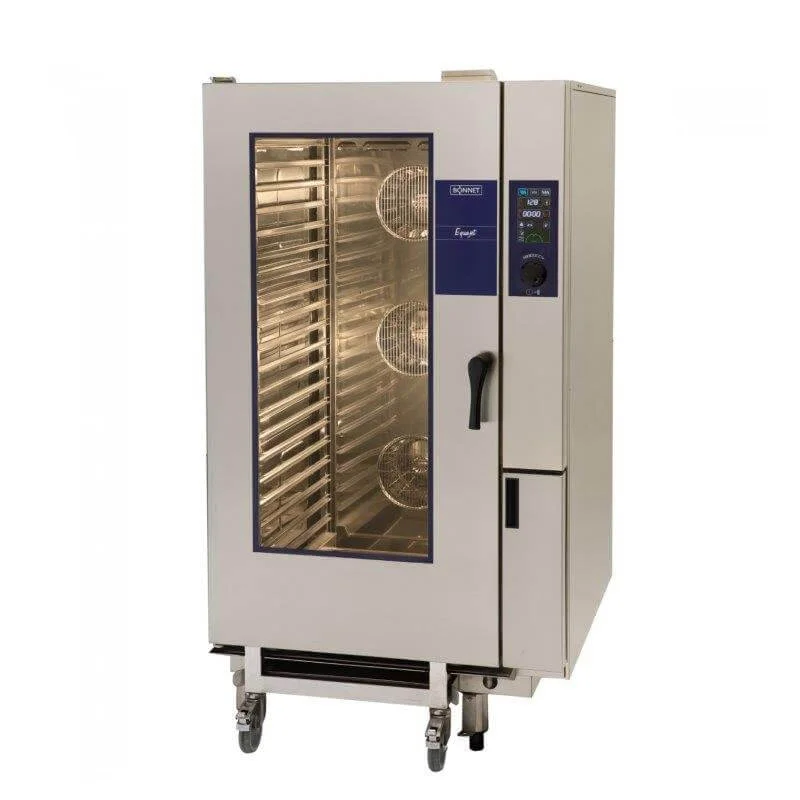
Bonnet Equajet 20 Grid Gas Combi Oven
A professional and advanced cooking solution designed for commercial kitchens, hotels, and large facilities.
- Combines convection, steam, and combi cooking modes
- Precise control of temperature and humidity
- Large capacity: 20 × GN 1/1 trays
- Ideal for high-volume production
- Durable design for intensive daily use
- Improves productivity and reduces cooking time
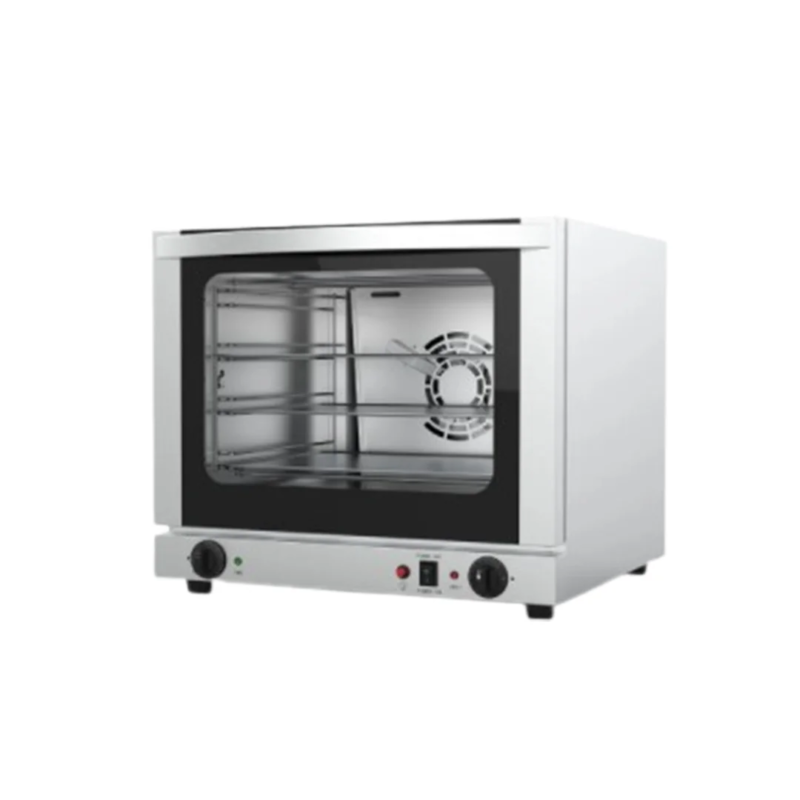
GASTROTEK OVC009 Combi Oven
A professional oven combining convection and steam for efficient commercial cooking.
- Dual-function oven and steamer in one unit
- Capacity: 9 GN 1/1 trays
- Preserves taste and texture of various foods
- Energy-efficient with fast cooking performance
- Precise temperature and humidity control
- Suitable for catering and large-scale food production
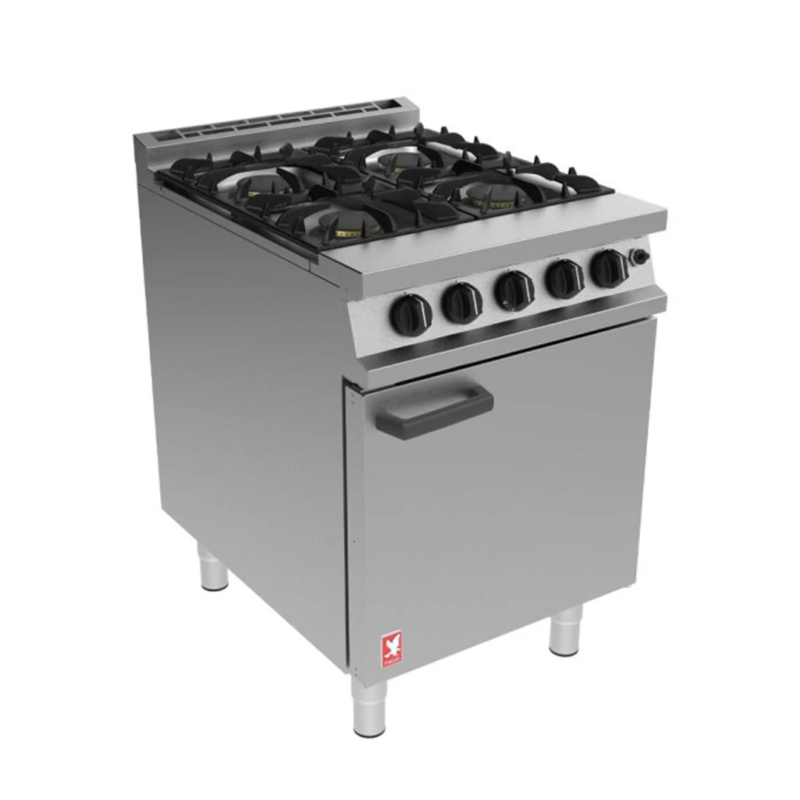
Falcon G3161 Gas Range with Oven
A powerful professional cooking appliance designed for high-demand commercial kitchens.
- Four high-performance burners (5.3 kW each)
- Large gas oven cavity (7.5 kW) with even heat distribution
- Stainless steel body for durability and easy cleaning
- Reliable piezo ignition system
- Flame failure safety protection
- Removable pan supports for easy maintenance
- Adjustable shelving for flexible oven use
- Optional wheels or adjustable legs for mobility
- Maintains stable temperature for consistent baking and roasting
Frequently Asked Questions About Restaurant Oven Failures
- How often should preventive maintenance be performed?
Every 3–6 months, including inspection of heating elements, fans, thermostats, and deep cleaning. - Can most oven problems be prevented?
Yes, through regular cleaning, proper operation, routine inspections, and avoiding overloading. - What should I do if the same issue keeps recurring after maintenance?
This may indicate permanent damage to a core component. Replacing the faulty part or the entire oven may be the safest option.
Conclusion
In conclusion, understanding the most common restaurant oven failures and applying preventive maintenance practices helps ensure continuous performance and reduces unexpected downtime. Following proper maintenance routines and addressing issues early allows restaurants to operate safely, efficiently, and with consistent food quality.



 Beverage Machines
 Coolers
 Food Preparation
 Heating & Cooking
 KAZ Commercial