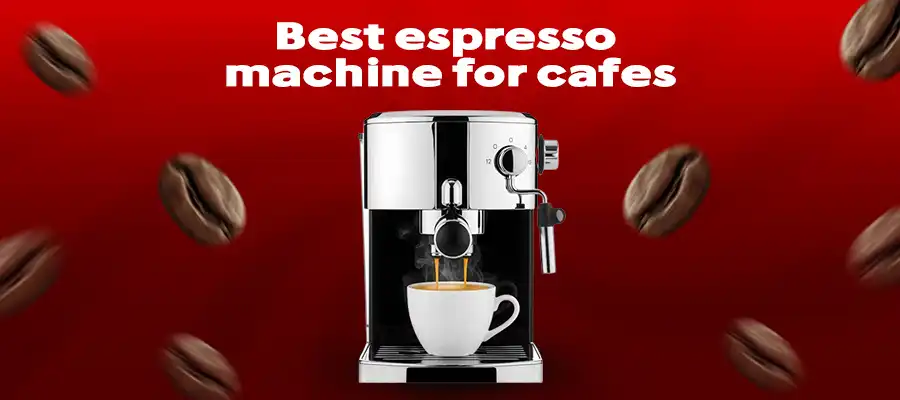
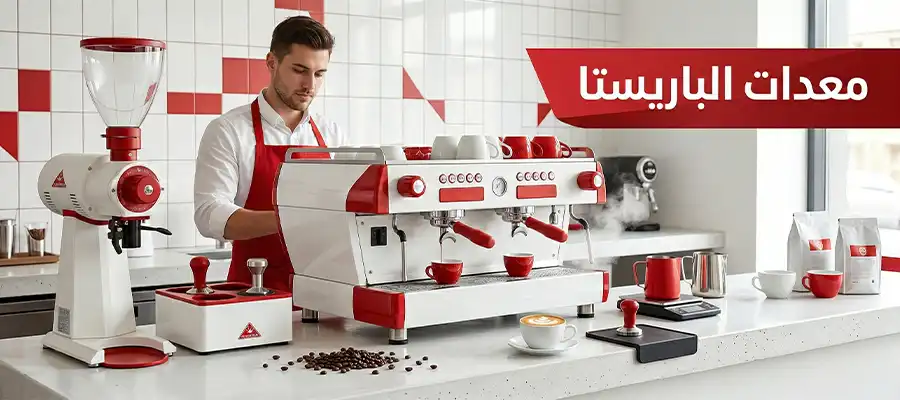
Choosing the best espresso machine for cafés is one of the most important decisions that directly affects coffee quality and the overall customer experience. Selecting the right machine not only ensures optimal flavor extraction, but also improves operational efficiency, reduces waste, and guarantees professional, uninterrupted workflow. In this article, we review the key criteria for choosing an espresso machine for cafés, the different machine types, and practical tips to ensure top performance and long-term investment value.
How to Choose the Best Espresso Machine for Cafés
Selecting the right espresso machine is essential to maintaining coffee quality, service speed, and customer satisfaction. An espresso machine is not just a device—it is the heart of daily café operations and has a direct impact on customer experience and business profitability.
Machine Capacity and Number of Group Heads:
Choosing a machine with two or more group heads allows multiple cups to be prepared simultaneously, which is especially important for busy cafés and peak hours.
Boiler System:
Dual-boiler or multi-boiler systems enable simultaneous brewing and milk steaming, ensuring faster production and consistent quality.
Temperature Stability and Thermal Control:
PID temperature control ensures stable brewing temperatures, which is critical for extracting high-quality espresso in every cup.
Steam Power and Milk Frothing Wand:
A powerful steam wand helps prepare milk-based drinks such as cappuccino and latte quickly and efficiently, saving barista time during rush hours.
Ease of Operation and Maintenance:
Choose machines that are easy to clean and maintain, preferably with descaling or self-cleaning features to minimize downtime.
Additional Features Based on Workload:
-
Volumetric control for consistent espresso shot size
-
Digital displays or preset programs for fast, consistent operation
Durability and Build Quality:
Select machines with strong frames and high-quality internal components that can withstand continuous café operation.
After-Sales Support and Spare Parts Availability:
Reliable warranty coverage and local technical support ensure smooth maintenance and minimal operational interruptions.
Difference Between Manual, Semi-Automatic, and Automatic Espresso Machines
Choosing the right type of espresso machine affects coffee quality, service speed, and the barista’s workflow. Each type offers a different balance between manual control and automation.
1. Manual Espresso Machines
The barista controls pressure manually during extraction.
Advantages:
Disadvantages:
2. Semi-Automatic Espresso Machines
Use an electric pump to control pressure, while the barista starts and stops extraction manually.
Advantages:
-
Balance between control and ease of use
-
Suitable for medium-sized cafés
-
Less physical effort for baristas
Disadvantages:
3. Automatic Espresso Machines
Fully control water flow, extraction time, and sometimes grinding.
Advantages:
Disadvantages:
How to Choose the Right Espresso Machine Size Based on Café Volume
Choosing the correct machine size ensures smooth workflow and fast service during peak hours.
1. Number of Group Heads:
-
Small cafés (under 50 customers/day): One or two group heads
-
Medium cafés (50–150 customers/day): Two or three group heads
-
Large or busy cafés (150+ customers/day): Three or four group heads
2. Steam and Boiler Capacity:
3. Extraction and Heating Speed:
4. Available Kitchen Space:
5. Peak Hour Demand Forecast:
6. Future Expansion:
Best Coffee Machines for Cafés from Target Egypt
When setting up your café, choosing the right coffee machine is a crucial step. Target Egypt offers professional coffee machines designed to meet different café needs in terms of performance, durability, and ease of use, ensuring consistently high-quality coffee.
Coffee Preparation Machine
This coffee machine is ideal for cafés and high-demand establishments, combining advanced technology with strong durability to deliver consistent coffee quality. It is designed to handle continuous operation in busy environments while remaining easy to use and maintain.
Key Features:
-
Intelligent control technology for optimal extraction and superior flavor
-
Full stainless steel (SST) construction for heavy-duty use
-
High-capacity production suitable for cafés, restaurants, and hotels
-
Simple user interface for professional operation
-
Advanced temperature and pressure control system
-
Stable performance in high-pressure environments
-
Power supply: 220–240V, 50Hz, max water pressure 0.620 MPa
-
CE certified, compliant with European standards
-
Assembled in the USA
How to Extend the Lifespan of Your Espresso Machine
Proper maintenance ensures long-lasting performance, consistent coffee quality, and fewer costly breakdowns.
-
Daily Cleaning: Clean filters, group heads, and steam wands after each use.
-
Descaling: Use proper descaling solutions regularly to prevent limescale buildup.
-
Inspect Wear Parts: Replace gaskets, valves, and filters before failure occurs.
-
Correct Operation: Avoid running the machine without water or at extreme temperatures.
-
Regular Professional Maintenance: Schedule quarterly or semi-annual servicing.
-
Use Filtered Water: Reduces scale buildup and preserves flavor quality.
-
Train Baristas Properly: Ensure correct operation and cleaning procedures are followed.
Frequently Asked Questions About the Best Espresso Machine for Cafés
What types of espresso machines are available for cafés?
Manual, semi-automatic, automatic, and fully automatic machines—each offering different levels of control and speed.
How do I choose the right machine size for a small or medium café?
It depends on expected daily customers and peak-hour demand; busier cafés require larger machines with multiple group heads.
What are the most important features to look for in an espresso machine?
Proper water pressure, stable temperature, durable construction, ease of cleaning and maintenance, and energy efficiency.
Conclusion
We have covered how to choose the best espresso machine for cafés, reviewed the different machine types, and explained how to select the right option based on café size and customer demand. Choosing the right machine ensures excellent coffee quality, efficient operations, and a premium customer experience—while protecting your investment and supporting long-term professional performance.





 Beverage Machines
 Coolers
 Food Preparation
 Heating & Cooking
 KAZ Commercial