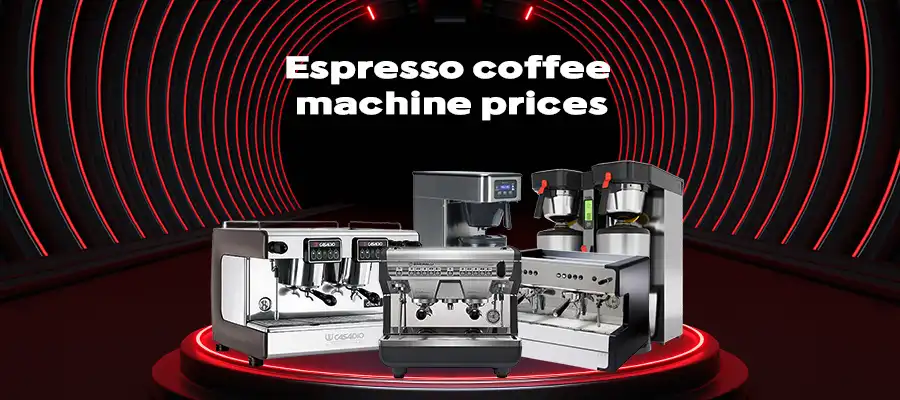
Espresso coffee machines are among the most important tools for coffee lovers who seek a premium experience when preparing their favorite drink at home or in the office. Espresso machine prices vary widely depending on the machine type, usage capacity, and technological features—ranging from simple manual machines to advanced fully automatic devices. In this article, we explore the factors that affect espresso machine prices, the different types available, and how to choose the most suitable option based on your budget and usage needs, so you can invest in a machine that delivers the best quality for a reasonable price.
Espresso Coffee Machine Prices
Espresso coffee machine prices in Egypt vary significantly depending on type and specifications. Basic home machines typically start from around EGP 2,000 to EGP 5,000, while professional and semi-automatic machines with built-in grinders range between EGP 15,000 and EGP 30,000.
Fully automatic and premium machines can exceed EGP 30,000, offering a professional espresso experience at home or in the office.
Factors Affecting Espresso Coffee Machine Prices
Several key factors influence espresso machine prices. Understanding these factors helps you choose a machine that offers the best value for money—whether you’re looking for a simple home unit or a fully integrated professional machine.
-
Machine Type: Manual, semi-automatic, automatic, or fully automatic—each comes at a different price point.
-
Technical Features: Temperature control, steam pressure, and programmable coffee settings increase the price.
-
Build Materials: Metal or stainless-steel machines are generally more expensive than plastic ones.
-
Capacity and Cup Output: Larger machines that brew multiple cups simultaneously cost more than compact home models.
-
Built-in Grinder: Machines with integrated grinders are usually priced higher.
-
Brand Name: Well-known global brands like De’Longhi, Breville, Gaggia, and Jura typically cost more due to reliability and quality.
-
Design and Premium Finish: Modern, luxurious designs or special color options often come with higher prices.
Types of Espresso Coffee Machines
Espresso machines vary widely in operation method, level of control, and ease of use—leading to different price ranges. Below is an overview of each type with its pros and cons:
1. Manual Espresso Machines
The simplest type, relying entirely on the user to control water pressure and extraction using a lever.
Pros:
-
Full control over every step
-
Ideal for learning traditional espresso-making
-
Often more affordable than other types
Cons:
2. Semi-Automatic Espresso Machines
Combine manual control with automated features. The machine controls pressure and temperature, while the user manages extraction time and volume.
Pros:
-
Good balance between control and ease of use
-
More consistent results than manual machines
-
Great option for intermediate users
Cons:
3. Automatic Espresso Machines
Automatically manage water flow and extraction time after selecting settings.
Pros:
Cons:
4. Fully Automatic Espresso Machines
Handle everything from grinding beans to dosing, extraction, and milk frothing (in some models).
Pros:
Cons:
5. Espresso Machines with Built-in Grinder
Include an internal grinder that grinds beans fresh before each brew.
Pros:
Cons:
6. Capsule Coffee Machines
Use pre-filled coffee capsules for quick and easy brewing.
Pros:
Cons:
How to Choose the Right Espresso Machine
Choosing the right espresso machine is essential whether for home use or cafés. The correct choice ensures better coffee quality, ease of use, and long-term durability.
-
Usage Type: Home or commercial use—commercial machines are larger and built for continuous operation.
-
Preferred Coffee Drinks: Some machines focus on espresso only, while others prepare lattes, cappuccinos, and more.
-
Operation Method: Automatic for convenience or manual for full control.
-
Capacity and Water Tank Size: Choose a size that fits daily consumption and is easy to refill and clean.
-
Pressure and Temperature Stability: Essential for balanced flavor extraction.
-
Durability and Maintenance: High-quality materials and easy cleaning extend machine life.
-
Budget: Define your budget to get the best value without sacrificing quality.
Espresso Machine Care and Maintenance Tips
To enjoy authentic Italian coffee for years, regular maintenance is essential:
-
Daily Cleaning: Clean the drip tray, filter basket, and removable parts after use.
-
Dry Components: Prevent rust and bacteria buildup.
-
Change Water Daily: Use filtered water to reduce mineral buildup.
-
Descaling: Use descaling solutions monthly or as recommended.
-
Clean Steam Wand: Wipe after each use and purge steam to remove milk residue.
-
Avoid Overuse: Allow rest periods to reduce stress on components.
-
Periodic Professional Servicing: Especially for high-use or commercial machines.
Best Coffee Machine from Target Egypt
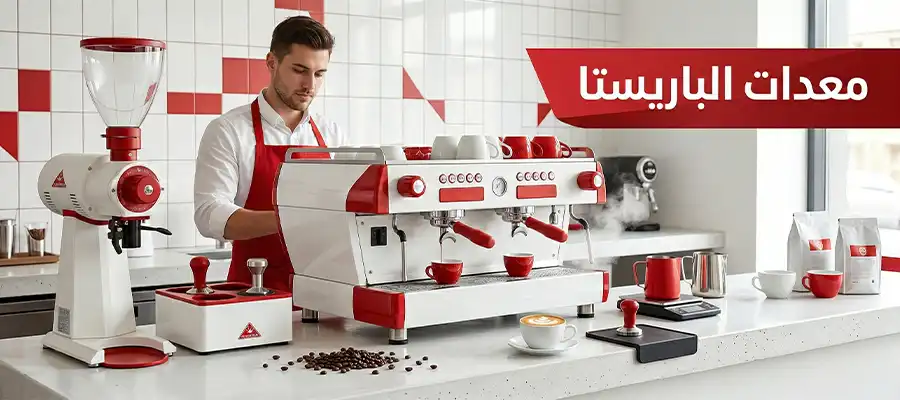
The coffee preparation machine from Target Egypt is an ideal choice for cafés and high-demand environments. It combines advanced technology with exceptional durability to deliver consistent, high-quality coffee—even under continuous operation.
Key Features:
-
Smart control technology for optimal extraction and superior flavor
-
Fully stainless steel (SST) construction for heavy-duty use
-
High production capacity for cafés, restaurants, and hotels
-
Easy-to-use interface for professional control
-
Advanced temperature and pressure adjustment system
-
Stable performance in high-pressure environments
-
Electrical specs: 220–240V, 50Hz, max water pressure 0.620 MPa
-
CE certified, compliant with international standards
-
Assembled in the USA
Difference Between a Coffee Maker and an Espresso Machine
Many people confuse coffee makers with espresso machines, though each serves a different purpose:
-
Brewing Method:
-
Flavor and Body:
-
Coffee Maker: Lighter, less concentrated
-
Espresso Machine: Strong, rich flavor with crema
-
Brewing Time:
-
Control and Settings:
-
Coffee Maker: Basic settings
-
Espresso Machine: Precise control over grind, pressure, and temperature
-
Ideal Use:
-
Coffee Maker: Home and small offices
-
Espresso Machine: Cafés, restaurants, and coffee enthusiasts
Frequently Asked Questions About Espresso Machine Prices
Are there fully automatic machines with high prices?
Yes, premium fully automatic machines can exceed EGP 30,000.
Does brand name affect the price?
Absolutely—well-known brands usually cost more due to quality and reliability.
Are machines with built-in grinders more expensive?
Yes, because they grind beans fresh before brewing, improving flavor.
Conclusion
We’ve covered espresso coffee machine prices, types, and the factors that influence your buying decision. Whether you’re looking for a simple home machine or a professional-grade espresso setup, understanding the differences and features helps you make the best choice for your budget and daily needs.





 Beverage Machines
 Coolers
 Food Preparation
 Heating & Cooking
 KAZ Commercial