

Blog

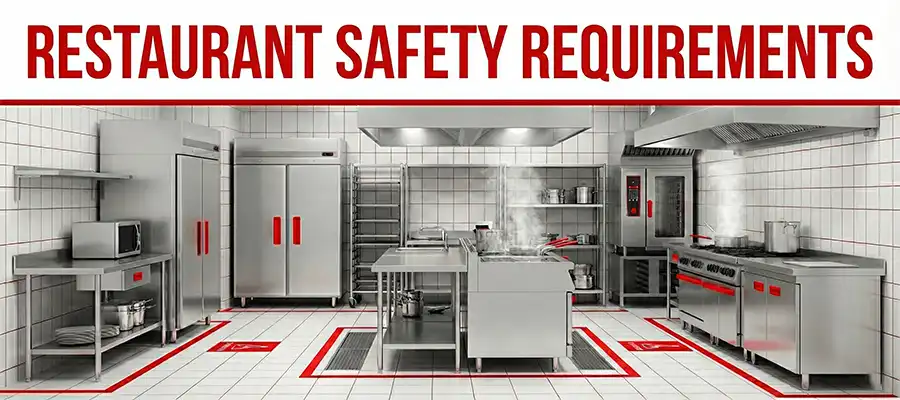
In the restaurant industry, success is not measured by taste alone, but by strict compliance with safety regulations that govern every detail within the establishment. These requirements are not merely regulatory rules; they represent an integrated system aimed at protecting customers’ health, ensuring a safe working environment, and maintaining food quality at every stage. Therefore, implementing restaurant safety requirements is an essential foundation for building a strong reputation and achieving real sustainability in a highly competitive market.
Concept of Restaurant Safety Requirements and Their Importance
Restaurant safety requirements consist of a set of regulatory and technical rules imposed by relevant authorities to ensure the safety of food products served to customers, protect public health, and reduce potential risks within the workplace.
These requirements include hygiene standards, food preparation and storage methods, interior design conditions, fire and emergency safety arrangements, and health procedures for restaurant staff. The primary objective is to create a safe and operationally secure environment that ensures risk-free food service for consumers.
The Importance of Restaurant Safety Requirements
Compliance with health and operational standards is as important as food quality itself. Unsafe practices can lead to serious health risks such as food poisoning and illnesses, in addition to severe legal and regulatory consequences that may result in temporary or permanent closure.
Protecting Consumer Health
Compliance reduces the risk of foodborne diseases such as food poisoning. This includes temperature control, proper hygiene, and preventing cross-contamination between foods.
Maintaining Restaurant Reputation
Adhering to health standards enhances customer trust. Poor hygiene practices can quickly spread through customer reviews and social media, severely damaging the restaurant’s image.
Avoiding Legal Penalties
Regulatory authorities enforce mandatory requirements. Non-compliance may lead to fines, temporary closure, or permanent shutdown.
Improving Internal Operations
Working according to safety standards helps organize kitchen operations, reduce errors, and improve overall service quality.
Promoting a Health-Awareness Culture
Commitment to safety encourages continuous staff training, reduces operational risks, and improves food-handling efficiency.
Restaurant Safety Requirements
Restaurant safety regulations form the organizational foundation for delivering safe and healthy food. They also serve as a supervisory and operational framework that enhances service quality, builds customer trust, and ensures business continuity without violations or penalties.
First: Food Safety Requirements
Food safety is the cornerstone of any successful restaurant. It is an integrated system that begins with receiving raw materials and continues until the dish is served. Its goal is to prevent contamination and ensure safe food service.
1. Food Storage
-
Store perishable products at safe temperatures (below 5°C for refrigeration and above 60°C for hot holding).
-
Completely separate raw and cooked foods to avoid cross-contamination.
-
Store dry goods in clean, dry, well-ventilated areas away from moisture.
-
Apply the FIFO system (First In, First Out).
2. Personal Hygiene of Staff
-
Wear clean uniforms including gloves and hair covers.
-
Wash hands regularly before and after handling food.
-
Prevent employees with infectious diseases from working.
-
Use sanitizing materials regularly in kitchen and service areas.
3. Food Preparation and Serving
-
Ensure thorough cooking, especially for meat and poultry.
-
Avoid reheating food more than once.
-
Use clean and sanitized utensils.
-
Serve food in food-safe containers.
4. Waste Management
-
Provide tightly sealed waste containers lined with plastic bags.
-
Dispose of waste regularly.
-
Clean and sanitize waste bins after each emptying.
Second: Fire Safety Requirements
Due to the use of heat sources and flammable oils, fire prevention is a top priority:
-
Provide appropriate fire extinguishers (powder, CO₂, foam).
-
Install early warning alarm systems.
-
Train staff on fire equipment and evacuation plans.
-
Clearly mark emergency exits with illuminated signs.
-
Keep flammable materials away from flames.
-
Conduct regular maintenance of cooking equipment and gas stoves.
Third: General Safety and Building Requirements
Facility Design
-
Provide wide corridors for safe movement.
-
Install effective ventilation and extraction systems.
-
Use non-slip, easy-to-clean flooring.
-
Place warning signs in wet or hazardous areas.
Lighting and Ventilation
-
Ensure sufficient lighting in all work areas.
-
Provide natural or mechanical ventilation.
-
Install smoke and carbon monoxide detectors.
Electrical and Gas Systems
-
Inspect installations regularly by specialists.
-
Avoid overloading sockets.
-
Provide accessible emergency shut-off switches.
-
Ensure gas valves are closed after work.
Fourth: Staff and Visitor Safety
-
Train employees on emergency and evacuation procedures.
-
Provide a visible first-aid kit.
-
Ensure tables and chairs are stable.
-
Prohibit unsafe behaviors such as smoking in undesignated areas.
-
Maintain a healthy work environment free from excessive heat or stress.
Fifth: Monitoring and Periodic Inspection
Safety systems require continuous monitoring:
-
Document maintenance and cleaning records.
-
Cooperate with health and municipal authorities during inspections.
-
Conduct periodic food and water testing.
-
Apply the HACCP (Hazard Analysis and Critical Control Points) system to control risks and ensure operational quality.
The Role of Training and Awareness in Promoting Safety Culture
Training and awareness are fundamental pillars in promoting safety culture within restaurants. Continuous awareness not only protects customers but also reduces operational risks and improves overall quality.
-
Training on hygiene practices
-
Raising awareness about food contamination risks
-
Emergency response training
-
Compliance with local and international safety regulations
-
Ongoing workshops and performance evaluation
Best Restaurant Equipment Available at Target Egypt
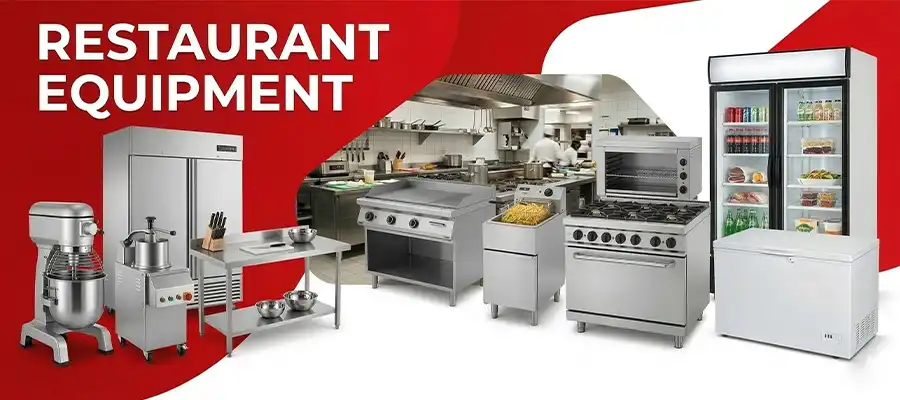
Target Egypt offers a comprehensive range of high-quality restaurant and commercial kitchen equipment, including ovens, refrigerators, mixers, and food preparation tools to ensure performance efficiency, food safety, and improved service levels.
ELITE 6-Burner Gas Restaurant Stove
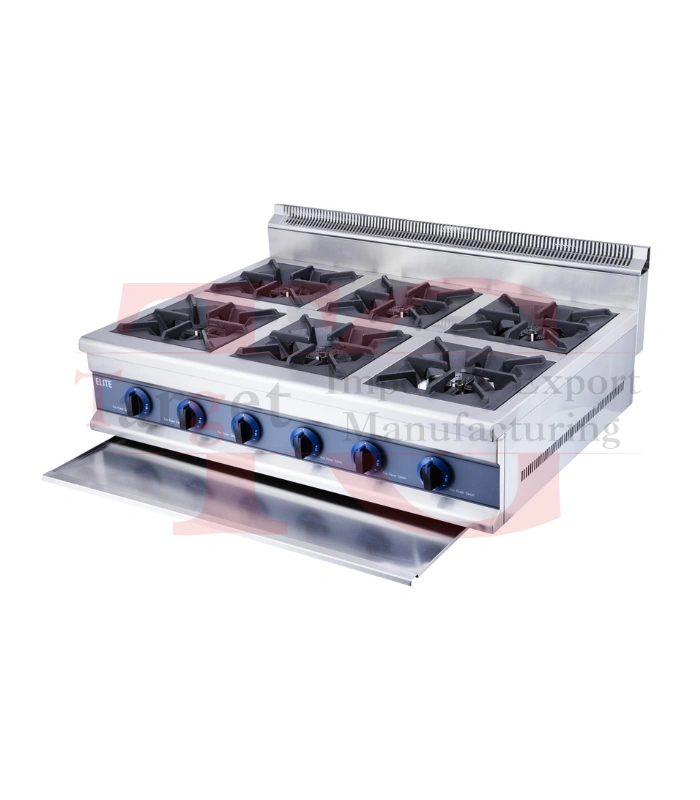
This professional stove combines maximum productivity, precise flame control, and industrial durability, making it ideal for fast-food restaurants, hotels, and central kitchens.
Key Features:
-
Six independent high-performance burners
-
Heavy-duty cast iron grates
-
Independent brass valves for precise control
-
LPG compatible
-
Reinforced industrial frame
Two-Door Freezer for Restaurants and Hotels
A practical solution for commercial kitchens requiring efficient frozen storage and smart space utilization.
Key Features:
-
Dual-door design for organized storage
-
Forced-air cooling (-18°C to -22°C)
-
Auto-defrost system
-
Stainless steel construction
-
Digital temperature control
Frequently Asked Questions
Do all employees need health certificates?
Yes, some authorities require proof that staff are free from infectious diseases and trained in food safety basics.
What equipment is essential for safety compliance?
Refrigeration units, temperature measuring tools, fire extinguishers, non-slip flooring, and protective clothing.
How are restaurants inspected?
Authorities conduct periodic inspections covering kitchen cleanliness, food storage quality, and operational procedures.
Conclusion
Restaurant safety requirements are essential to protecting customers and staff, ensuring food quality, and maintaining service excellence. Compliance with regulations, proper equipment, training, and awareness all contribute to creating a safe work environment, avoiding legal risks, and enhancing the restaurant’s reputation and customer trust.



 Beverage Machines
 Coolers
 Food Preparation
 Heating & Cooking
 KAZ Commercial