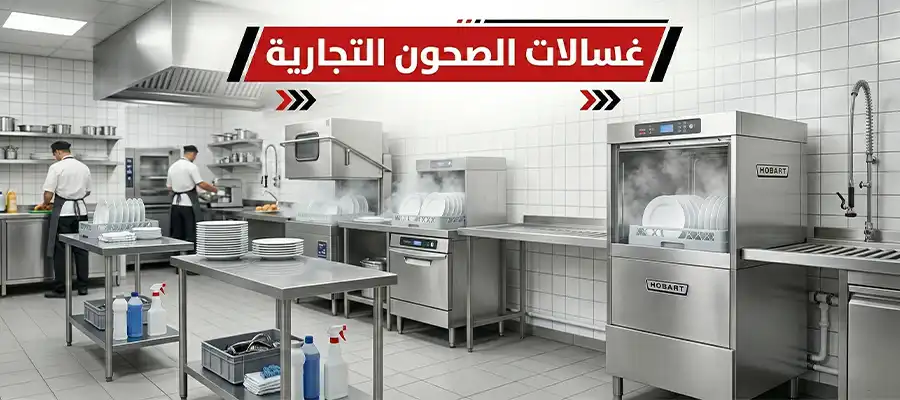
Commercial dishwashers are essential in any professional kitchen, whether in restaurants, cafés, or hotels, as they provide fast and efficient cleaning of dishes and utensils in large volumes while maintaining high standards of hygiene. Choosing the right washer is not only about size or price; it also involves performance efficiency, energy and water use, ease of operation, and the ability to handle the kitchen’s daily workload. This guide provides restaurant and food‑service owners with everything they need to understand the types of commercial dishwashers, key selection criteria, and the main features that make them a practical and reliable investment.
How to choose commercial dishwashers
Choosing the right commercial dishwasher is a key decision for any professional kitchen, as it directly affects work speed, cleaning quality, and overall operational efficiency. A wide range of criteria should be considered before purchase to ensure the dishwasher meets the required workload and performance specifications.
-
Determine workload and needs:
Estimate the number of plates and utensils you need to wash daily, especially during peak hours, to choose the appropriate capacity (in racks or plates per hour).
-
Select the right type:
Under‑counter models suit small restaurants and cafés; front‑loading and conveyor models fit medium to high‑volume kitchens.
-
Cleaning performance and sanitation:
Ensure the machine delivers effective, fast cleaning with a high level of sanitization and proper water and energy efficiency.
-
Ease of operation and maintenance:
Choose a model with an intuitive control panel and easy‑to‑access filters and components for routine cleaning.
-
Verify technical requirements:
Check that the dishwasher is compatible with your available water pressure, hot‑water supply, and electrical connections to avoid performance issues after installation.
-
Warranty and after‑sales support:
Select a unit with a comprehensive warranty and available spare parts, plus technical support for quick repairs.
-
Consider total cost of ownership:
Look beyond the purchase price and evaluate ongoing costs such as energy, water, detergent, and maintenance over time.
Types of commercial dishwashers
Commercial dishwashers differ from domestic models in their ability to handle large restaurant, hotel, and café workloads. They come in several designs that match different operational needs.
-
Under‑counter dishwashers:
Compact units installed under countertops, suitable for small restaurants and cafés with limited space that still need fast, effective cleaning.
-
Front‑loading dishwashers:
Common in medium‑sized restaurants; they offer larger capacity than under‑counter units and enable efficient organization of dishwashing.
-
Conveyor‑belt dishwashers (tunnel washers):
Designed for high‑volume establishments such as hotels and large cafeterias; a continuous belt moves dishes through wash and rinse stages quickly and efficiently.
-
Single‑rack or multi‑rack commercial dishwashers:
Robust high‑capacity units that clean large batches of industrial‑grade dishes and utensils at once, built with strong steel components for durability.
Key specifications to pay attention to when buying a commercial dishwasher
When purchasing a commercial dishwasher for a restaurant or café, it is not enough to choose a random model; you must focus on the features that define performance and suitability for a professional environment.
-
Capacity and plates per cycle:
Ensure the machine can handle your daily dish volume, as this directly affects speed and efficiency.
-
Material of construction:
Opt for units made of stainless steel for corrosion resistance and easy cleaning, which ensures durability in intensive‑use kitchens.
-
Water and energy consumption:
Choose a high‑efficiency model to reduce utility bills and maintain sustainable operation.
-
Interior design and racks:
Adjustable or flexible racks improve load arrangement, increase cleaning effectiveness, and maximize usable capacity.
-
Pump and spray power:
Strong, well‑designed pumps and spray arms are essential for complete cleaning, even on tough, greasy residue.
-
Control panel and available programs:
An intuitive interface with multiple wash programs (quick, heavy‑duty, eco) provides flexibility for different dish types and workloads.
What is the difference between commercial and domestic dishwashers?
Although both types perform the same basic function of cleaning dishes, commercial and domestic dishwashers differ significantly in design, performance, and operational capacity. These differences make each type suitable for a specific setting—restaurants vs households.
-
Capacity and size:
Commercial units are built for heavy loads of plates and utensils in short cycles, with much higher capacity than domestic machines.
-
Wash‑cycle speed:
Commercial cycles typically last only a few minutes, quickly returning dishes to service, while domestic cycles often take hours.
-
Temperature and sanitization:
Commercial dishwashers operate at higher rinse temperatures (around 80–85°C) to meet strict hygiene standards, whereas domestic models use lower temperatures suited to everyday home use.
-
Build and durability:
Commercial machines use industrial‑grade metal components to withstand continuous operation, while domestic units are designed for limited, quieter home use.
-
Usage frequency:
Commercial dishwashers run continuously through long service hours, while domestic units typically operate only once or twice per day.
-
Installation and maintenance requirements:
Commercial units often need specialized electrical and plumbing setups and professional maintenance, while domestic dishwashers are easier to install and operate in standard homes.ifbappliances+3
Buy a tunnel dishwasher from Target Egypt
The tunnel dishwasher from Target Egypt is the ideal solution for large hotels and restaurants that require washing massive volumes of plates and utensils quickly and efficiently. It reduces time and effort while maintaining the highest standards of cleanliness and sanitation, ensuring smooth workflow and significantly boosting kitchen productivity. It is available from the KZ equipment section.
-
Time and labor savings:
A high‑performance conveyor and powerful motors speed up the washing process, allowing staff to focus on other tasks.
-
High output and speed:
Designed to handle large volumes of dishes in a short time, reducing reliance on manual washing and speeding up daily operations.
-
Excellent cleaning and sanitization:
Wash cycles operate at precise temperatures (wash 55–60°C, sanitize 80–85°C) to ensure thorough cleaning and effective sanitation in line with strict health and safety standards.
-
Handling of large and heavy items:
Built to process deep plates and heavy pans without affecting washing performance or equipment safety.
-
Improved productivity and workflow:
Continuous washing without interruption supports faster, more organized service in large kitchens and restaurants.
-
Robust stainless‑steel construction:
Full stainless‑steel body withstands intensive use in professional environments and offers a long service life.
-
High‑safety features:
Equipped with a magnetic cover sensor to ensure safe operation and team protection, while maintaining full‑cycle performance.
Frequently asked questions about commercial dishwashers
-
Does a commercial dishwasher save water and energy?
Yes, modern commercial dishwashers are more efficient than manual washing, reducing water and energy use while improving hygiene.
-
What is the benefit of multiple wash programs?
Different programs allow greater flexibility for handling various dish types and levels of soil, improving cleaning results and operational efficiency.
-
Should I care about after‑sales service?
Yes, choosing a dishwasher with a warranty and available maintenance support ensures long‑term reliability and minimizes downtime.
In conclusion, we have reviewed the main types of commercial dishwashers, the essential selection criteria, and how to choose the right machine for any kitchen, along with frequent questions that help make an informed decision. Investing in a high‑quality commercial dishwasher ensures operational efficiency, faster service, consistent dish cleanliness, and reduced breakdowns and costs over time, thereby supporting the success of any professional kitchen.











 Beverage Machines
 Coolers
 Food Preparation
 Heating & Cooking
 KAZ Commercial