
Blog

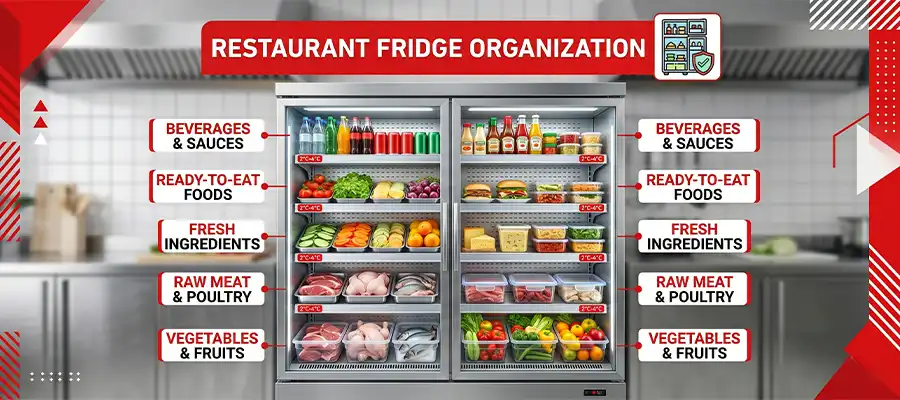
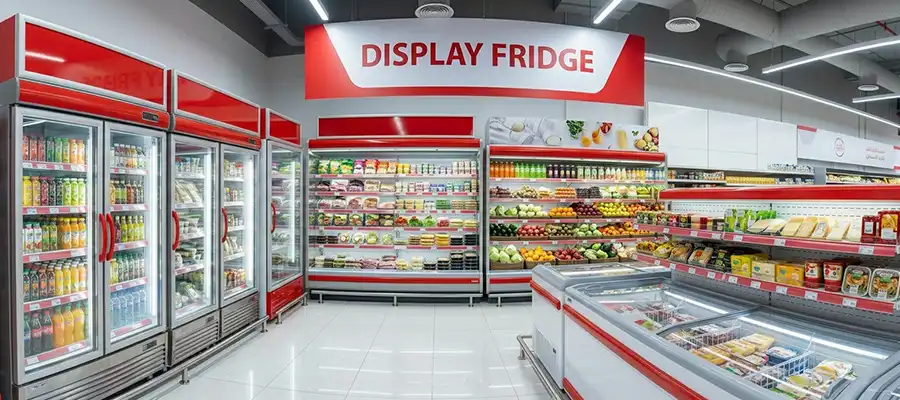
Arranging a refrigerator in restaurants is a fundamental practice that cannot be overlooked, as it directly impacts food safety, quality, and kitchen efficiency. Random storage may lead to food spoilage or cross-contamination, while proper organization helps maintain suitable temperatures for each type of food, reduce waste, and ensure compliance with food safety standards. Therefore, knowing the correct way to store food inside the refrigerator is essential for any restaurant aiming to serve safe, high-quality meals.
Arranging the Refrigerator in Restaurants
Proper refrigerator organization is one of the key elements of a successful professional kitchen. It ensures food safety, preserves quality, reduces waste, and prevents cross-contamination between different food types. Good organization is not just about appearance—it directly affects operational efficiency and workflow speed.
- Place raw meat and poultry on the bottom shelf to prevent liquid leakage from contaminating other foods.
- Store fish and seafood in sealed containers on the bottom shelf or in a designated area.
- Keep ready-to-eat foods on the top shelf (e.g., salads and cooked meals).
- Store dairy products on middle shelves to maintain stable temperatures.
- Place fruits and vegetables in lower drawers designed to preserve humidity.
- Store drinks and sauces in refrigerator doors, as they are less sensitive to temperature changes.
- Completely separate raw and cooked foods to prevent cross-contamination.
- Avoid overloading the refrigerator, as it blocks airflow and reduces cooling efficiency.
Importance of Refrigerator Organization in Restaurants
Proper organization is essential for maintaining food safety and quality.
- Prevents food contamination
- Preserves food freshness and safety
- Reduces food waste
- Improves cooling efficiency
- Lowers electricity consumption
- Enhances kitchen workflow and saves time
Proper Food Storage Temperatures
Maintaining correct temperatures is crucial for food safety and quality.
- Refrigeration: 1–4°C (ideal for meat, dairy, vegetables, and ready meals)
- Danger Zone: Avoid 4–60°C, where bacteria grow rapidly
- Freezing: -18°C or lower for safe long-term storage
- Cooked food: Store below 4°C after cooling
- Hot food: Keep above 60°C or cool quickly before refrigeration
Common Food Storage Mistakes
- Storing food without proper covering
- Placing hot food directly in the fridge
- Overloading the refrigerator
- Not separating raw and cooked food
- Incorrect temperature settings
- Keeping food too long without use
- Neglecting regular cleaning
Hygiene Rules Inside Restaurant Refrigerators
Cleanliness is essential to maintain food safety and prevent bacterial growth.
- Clean and sanitize regularly
- Clean spills immediately
- Separate raw and cooked foods
- Use sealed containers
- Keep shelves and drawers clean
- Avoid uncovered food storage
- Clean refrigerator handles frequently
- Dispose of spoiled food immediately
How to Preserve Food Quality for Longer
- Maintain proper temperatures (1–4°C for refrigeration, -18°C for freezing)
- Use airtight containers
- Separate food types
- Apply FIFO (First In, First Out) system
- Cool hot food before storing
- Avoid leaving food at room temperature
- Keep storage clean and organized
Professional Tips for Organizing Restaurant Refrigerators
- Divide the refrigerator into clear sections
- Use transparent, uniform containers
- Label items with storage dates
- Arrange food based on usage frequency
- Leave space between items for airflow
- Reorganize regularly based on menu or season
Best Restaurant Refrigerators from Target Egypt
Target Egypt offers a wide range of high-quality restaurant refrigerators with excellent cooling efficiency and practical designs suitable for restaurants, cafés, and bakeries.
Single Solid Door Upright Refrigerator (135L)
- Compact vertical design
- Temperature control between +1 to +4°C
- Internal air circulation system
- Durable aluminum interior
- Reversible door
- Digital control panel
- Automatic defrost
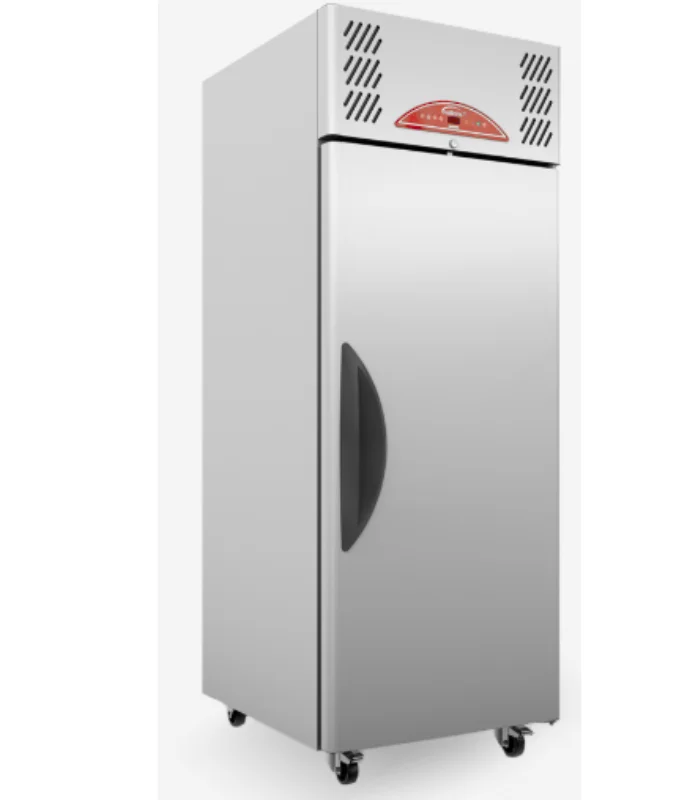
Double Door Commercial Refrigerator (1300L)
- Large storage capacity
- Forced-air cooling system
- Stainless steel body
- Digital temperature display
- Self-closing doors
- Adjustable shelves
- Eco-friendly refrigerant
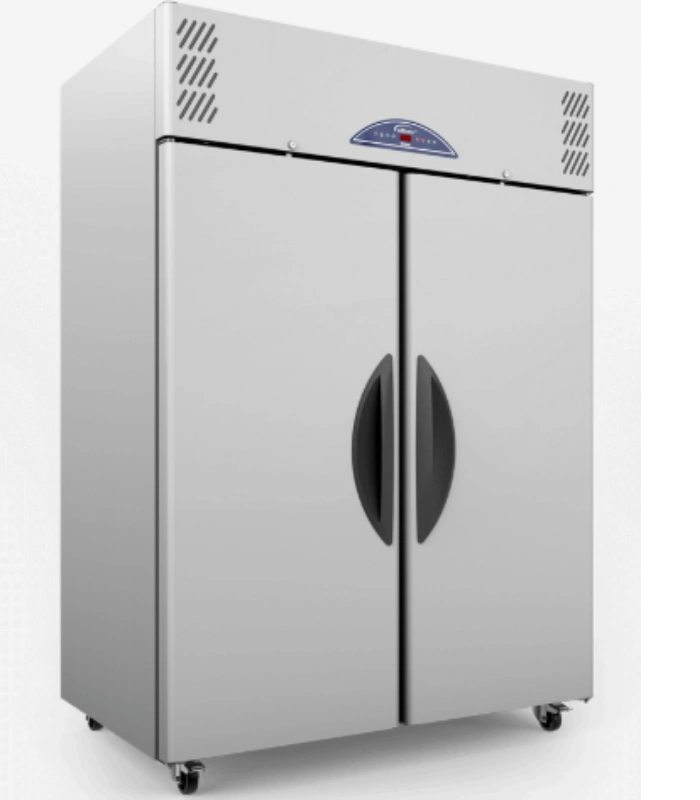
TRUE TBB24-72-3S-Z1-BST-S-1 Counter Refrigerator
- Three stainless steel doors
- Consistent cooling performance
- Large storage capacity
- Durable construction
- R290 eco-friendly refrigerant
- Flexible shelving
- Under-counter design
FAQs
Why should raw and cooked food be separated?
To prevent bacteria from raw meat contaminating ready-to-eat food.
What is the ideal temperature for restaurant refrigerators?
Between 1–4°C to ensure safe storage and prevent bacterial growth.
Does overloading affect food quality?
Yes, it blocks airflow and causes uneven cooling, leading to spoilage.
Conclusion
Proper refrigerator organization in restaurants depends on storing food according to type and sensitivity, maintaining food safety standards, and separating raw from cooked items. This ensures food quality, reduces waste, and improves overall kitchen efficiency.
Read Also:




 Beverage Machines
 Coolers
 Food Preparation
 Heating & Cooking
 KAZ Commercial