Setting up a restaurant professionally requires far more than choosing décor or designing the space. The right industrial kitchen appliances and industrial kitchen equipment play a fundamental role in the daily success of the operation and the quality of service delivered to customers. From basic prep tools to specialized cooking devices, having the correct equipment ensures speed, efficiency, food safety, and hygiene compliance. In this guide, we explore every category of tools used in restaurant setup and how to select them based on your restaurant type and scale.
Types of Industrial Kitchen Appliances Used in Restaurant Setup
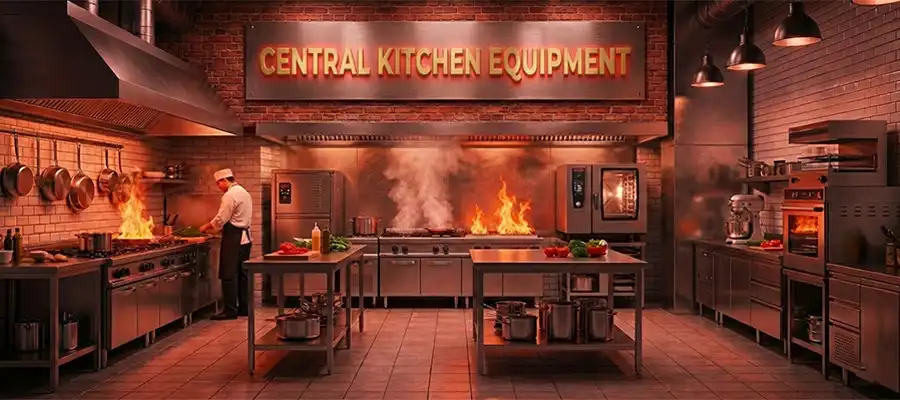
A professionally equipped restaurant needs a comprehensive set of industrial kitchen equipment that ensures smooth, efficient, and high-quality operations. The right tools go beyond cooking devices — they include preparation, storage, service, and safety equipment. Having these in place from day one helps organize kitchen workflow and deliver seamless service that exceeds customer expectations.
1. Core Cooking Equipment
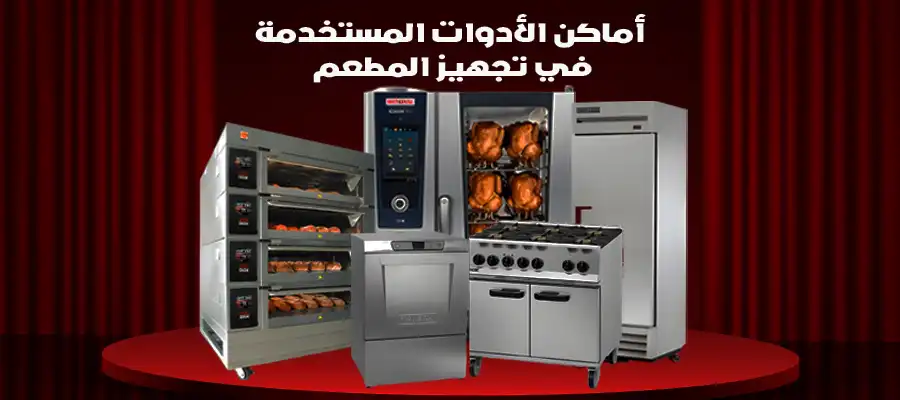
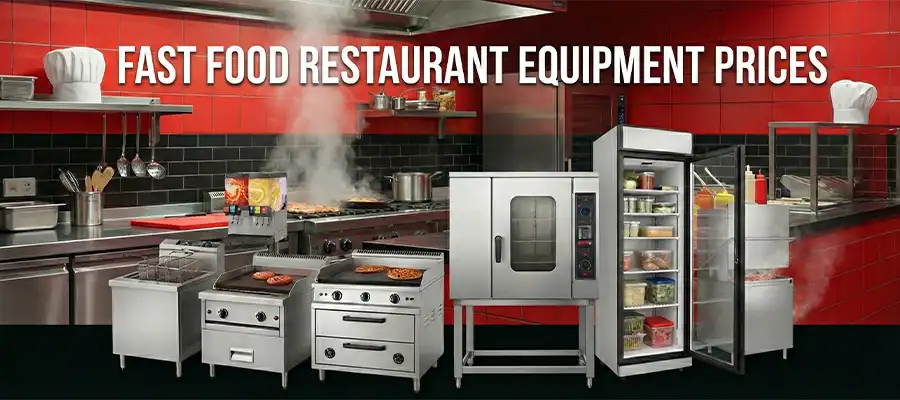
This includes ovens, grills, fryers, and gas or electric stoves — the backbone of any commercial kitchen. These industrial kitchen appliances are used to prepare a wide variety of foods with high efficiency and are non-negotiable for any restaurant operation.
2. Preparation and Processing Equipment
Prep tools such as knives, cutting boards, blenders, juicers, and food processors are used to prepare ingredients before cooking begins. High-quality prep equipment directly impacts both speed and consistency of output.
3. Refrigeration and Cold Storage Equipment
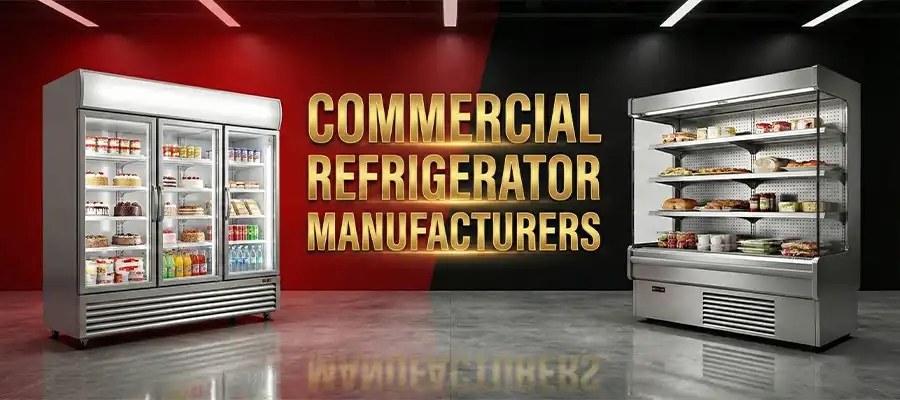
Refrigerators and freezers are indispensable industrial kitchen equipment for keeping food fresh and preventing spoilage — especially in restaurants that use large quantities of meat, dairy, and vegetables. Choosing the right refrigeration capacity is critical to maintaining food safety standards.
4. Service and Presentation Equipment
This includes service trolleys, serving trays, plate warmers, and tools for presenting dishes and beverages. These are often overlooked but essential for elevating the customer dining experience and overall operational professionalism.
5. Cleaning and Safety Equipment
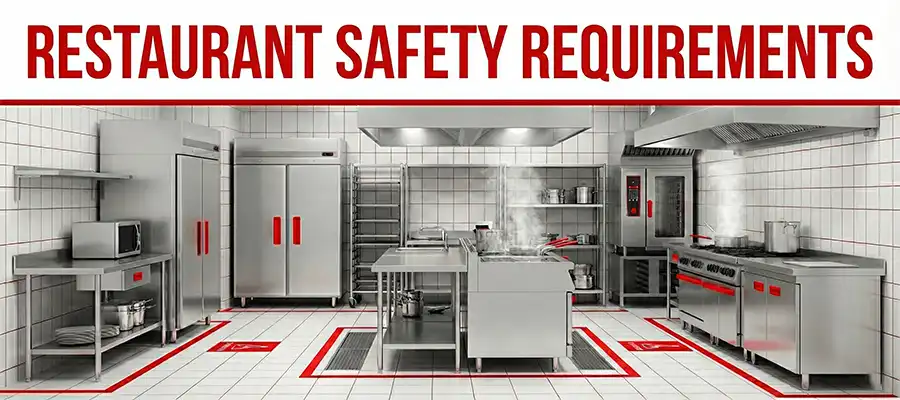
Kitchen towels, commercial dishwashers, grease collection systems, fire suppression units, and ventilation equipment keep the kitchen clean, compliant, and safe. Regulatory bodies require these as part of any licensed food establishment.
6. Café and Beverage Appliances
Espresso machines, hot and cold beverage dispensers, and juice extractors are essential industrial kitchen appliances for cafés, hotels, and restaurants that offer a full beverage menu. These machines handle high daily volumes and must be built for continuous commercial use.
7. Point-of-Sale and Order Management Systems
POS systems and kitchen display screens streamline the ordering and payment process, reducing human error and improving service speed. Technology integration is increasingly considered a core part of modern restaurant equipment planning.
8. Small Tools and Table Accessories
Tongs, ladles, spatulas, cups, plates, and tableware complete the professional setup. These are used directly in customer service and define the overall presentation quality of the dining experience.
How to Choose Industrial Kitchen Equipment Based on Restaurant Type
Selecting the right industrial kitchen equipment is not just about budget — it is directly tied to your restaurant concept and daily order volume. Equipment suited to a fast-food counter will not serve a fine-dining kitchen or a central production facility. The checklist below helps you match equipment to your specific operational needs.
Define your restaurant type first. Fast-food operations need high-speed fryers and grills. BBQ restaurants require heavy-duty charcoal or gas grills. Oriental cuisine restaurants need large stockpots and multi-burner stoves. Cafés and coffee shops prioritize espresso machines and light prep equipment over heavy cooking gear.
Estimate your daily order volume. Low-volume operations can manage with small or medium-capacity equipment. High-volume kitchens need professional-grade industrial kitchen appliances designed to run continuously for 10 to 16 hours without breakdowns.
Match equipment capacity to production needs. Ovens, fryers, and refrigerators must align with your daily output to avoid bottlenecks or equipment overload, both of which increase operating costs and decrease food quality.
Account for kitchen floor space. Large equipment requires adequate clearance for safe staff movement. In compact kitchens, multi-purpose or stackable industrial kitchen equipment is preferred to maximize usable space.
Prioritize quality materials. Commercial-grade stainless steel construction extends equipment lifespan, resists corrosion, and withstands the high-temperature environments typical of professional kitchens.
Evaluate energy efficiency. Energy-efficient industrial kitchen appliances reduce monthly electricity and gas costs, which can represent a significant portion of operating expenses for high-volume operations.
Ensure ease of cleaning and maintenance. Equipment that can be quickly disassembled and cleaned reduces downtime, lowers the risk of contamination, and keeps your operation compliant with food safety standards.
Verify after-sales support availability. Confirm that spare parts are readily available and that the supplier offers a responsive technical support or maintenance service. This protects your investment and minimizes costly operational downtime.
How Material Quality Affects the Performance and Longevity of Industrial Kitchen Appliances
The materials used to manufacture industrial kitchen appliances have a direct and measurable impact on performance, safety, and total cost of ownership. Here is how material quality translates into real-world outcomes.
Corrosion and wear resistance. High-grade stainless steel and durable alloys withstand the intense, continuous use of commercial kitchens without degrading. Lower-quality materials corrode quickly under heat, moisture, and cleaning chemicals, leading to early failure.
Sustained performance over time. Quality industrial kitchen equipment maintains its functional properties — heat distribution, sealing integrity, cutting precision — for years of use. Inferior materials lose their characteristics rapidly, causing inconsistent results and operational errors.
Lower total cost of ownership. Premium materials reduce the frequency of part replacements and repairs. While the upfront cost may be higher, the long-term savings in maintenance and replacement make quality equipment the more economical choice over time.
Resistance to harsh working conditions. Commercial kitchens expose equipment to extreme heat, steam, acidic food contact, and daily chemical cleaning. Only purpose-built industrial kitchen appliances can withstand these conditions without structural compromise.
User safety assurance. Structurally sound equipment eliminates risks such as sudden breakage, short circuits, or gas leaks. Investing in quality materials is ultimately an investment in the safety of your staff and your customers.
Why Regular Maintenance and Cleaning of Industrial Kitchen Equipment Matters
Routine maintenance and cleaning are not optional — they are essential operational practices for any commercial kitchen. Properly maintained industrial kitchen equipment performs better, lasts longer, and keeps your establishment legally compliant.
Maintaining peak operational performance. Regularly maintained appliances run at maximum efficiency, reducing preparation delays and eliminating unexpected failures that disrupt service. Clean equipment also consumes less energy, reducing daily operating costs.
Extending equipment lifespan. Removing grease buildup, mineral deposits, and wear debris prevents internal components from degrading prematurely, delaying the need for costly replacements.
Prevention of expensive emergency repairs. Routine inspections catch minor issues before they escalate into major breakdowns. This protects your operating budget and prevents revenue loss caused by unplanned kitchen closures.
Food safety and hygiene compliance. Contaminated industrial kitchen appliances are a primary source of foodborne illness in commercial operations. Regular cleaning eliminates bacterial growth and keeps your establishment compliant with health authority standards.
Regulatory compliance and inspection readiness. Health authority inspections can happen at any time. A documented maintenance program demonstrates due diligence and prevents the fines, penalties, or closures that follow a failed inspection.
Consistent food quality for customers. Clean, well-calibrated industrial kitchen equipment produces food with consistent texture, flavor, and appearance — a key factor in customer satisfaction and repeat business.
A safer workplace for staff. Properly maintained equipment eliminates hazards such as hot oil splatter from clogged fryers, electrical shorts from damaged wiring, and slips caused by grease-covered floors. Staff safety is both a moral and legal obligation.
Top Industrial Kitchen Equipment and Appliances from Target Egypt
Target Egypt supplies a comprehensive range of industrial kitchen appliances and industrial kitchen equipment tailored to commercial kitchens, restaurants, hotels, and hospitality businesses of every size. Each product is selected for durability, performance, and suitability for the demands of high-volume foodservice operations.
1. KAZ Stainless Steel Preparation Table
The KAZ Stainless Steel Preparation Table is a foundational piece of industrial kitchen equipment for commercial kitchens, cafés, and bakeries. Designed for durability and ease of use, it provides a hygienic, stable work surface that improves preparation speed and supports a well-organized kitchen workflow.
Key features include a robust, vibration-free work surface ideal for cutting and ingredient assembly; full commercial-grade stainless steel construction that is rust-proof and moisture-resistant; a smooth, non-porous surface that does not absorb odors or stains; heavy-duty leveling legs for stability on uneven kitchen floors; and a generous workspace accommodating high-volume ingredient preparation. It is compatible with restaurants, cafés, bakeries, juice bars, and catering operations.
2. Blizzard BPB1500 Pizza Preparation Refrigerator
The Blizzard BPB1500 is purpose-built industrial kitchen equipment for pizza restaurants and commercial kitchens that need a durable work surface and effective refrigeration in a single, space-saving unit. Its integrated design accelerates pizza assembly while keeping all ingredients fresh and within immediate reach.
Key features include a solid granite work surface naturally suited for dough preparation and easy to sanitize; a refrigerated top well accommodating up to 8 GN 1/3 containers; dual hinged doors for large under-counter storage; a forced-air cooling system maintaining a precise temperature range of +2°C to +8°C; an automatic defrost system preventing ice buildup; full stainless steel construction; approximately 400-liter total capacity; energy-efficient 230V/50Hz operation; and compact dimensions of 1500 × 800 × 1010 mm designed for space-constrained kitchens.
3. Rational iCombi Pro 10-1/1 Electric Combi Oven
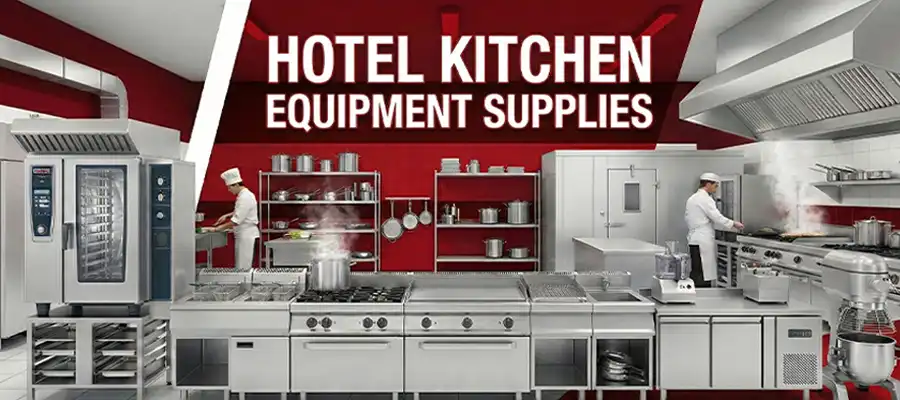
The Rational iCombi Pro 10-1/1 is a flagship industrial kitchen appliance representing the pinnacle of intelligent combi oven technology. It is the ideal solution for hotels, large restaurants, and central production kitchens seeking maximum output with minimal operator intervention.
Key features include AI-powered intelligent cooking that automatically optimizes heat distribution and humidity across all trays simultaneously; three cooking modes covering hot air, steam, and combi for every culinary technique; consistent, repeatable results for meat, poultry, seafood, baked goods, and vegetables; a smart automatic cleaning system that detects soiling levels and selects the appropriate cleaning program; ConnectedCooking cloud integration for remote recipe management and automatic software updates; a triple-glazed door that significantly reduces heat loss; rapid steam generation with active dehumidification; a high-definition capacitive touchscreen; and a 10-tray GN 1/1 capacity designed for high-volume production.
Frequently Asked Questions About Industrial Kitchen Appliances and Equipment
Do industrial kitchen appliances differ by restaurant type?
Yes — significantly. The industrial kitchen appliances best suited to a fast-food counter differ substantially from those needed in a fine-dining kitchen or a hotel banquet facility. Fast-food operations prioritize speed and throughput; fine dining prioritizes precision and presentation. Always align your equipment selection with your specific service model and menu.
What cleaning and safety equipment is mandatory in a commercial kitchen?
Essential industrial kitchen equipment for safety and hygiene includes commercial dishwashers, three-compartment sinks, grease traps, commercial exhaust hoods with fire suppression systems, food-safe sanitizing stations, and first aid kits. Specific requirements vary by jurisdiction and are enforced through regular health authority inspections.
How do I choose the right equipment for a small versus a large kitchen?
Equipment selection should be based on your projected daily covers, menu complexity, and available floor space. Small restaurants and cafés can typically manage with compact or multi-purpose industrial kitchen equipment, while large establishments and central kitchens require high-capacity, industrial-grade machinery. Overspecifying equipment for a small kitchen wastes capital; underspecifying for a large one creates operational bottlenecks that hurt service and profitability.
Conclusion
Selecting the right industrial kitchen appliances and industrial kitchen equipment is the single most impactful investment you can make when setting up a restaurant. From core cooking stations to refrigeration, prep surfaces, and service tools, every category plays a defined role in the efficiency, safety, and profitability of your kitchen operation. Target Egypt provides a comprehensive range of commercial-grade restaurant equipment — designed and specified to meet the real demands of professional kitchens across Egypt and the wider region.






 Beverage Machines
 Coolers
 Food Preparation
 Heating & Cooking
 KAZ Commercial