When starting or upgrading any restaurant, choosing kitchen equipment is a fundamental step that directly affects service quality and operational efficiency. Restaurant owners face an important decision: should they choose new equipment to ensure maximum performance and quality, or used equipment that offers lower cost and fits the budget? Each option has its own benefits and challenges, and it is important to understand the differences to avoid negative impacts on the business and to make a sound investment. In this article, we will conduct a comprehensive comparison between buying new restaurant equipment and used equipment to help you make the optimal decision.
What are the essential restaurant‑kitchen supplies?
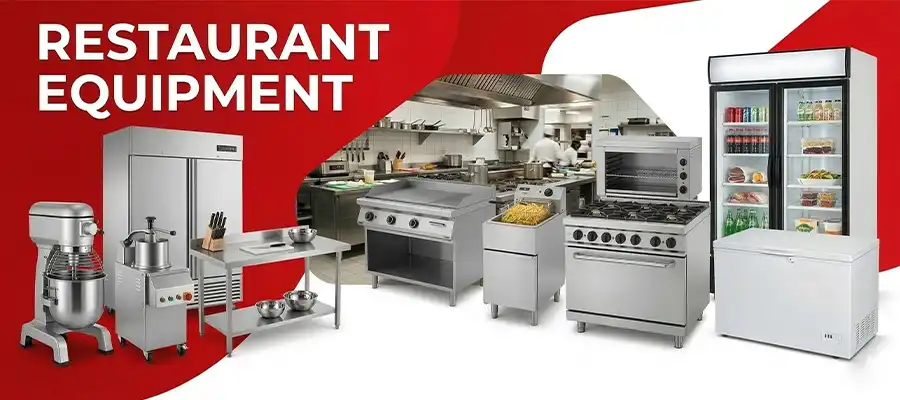
Restaurant kitchen equipment forms the backbone of any professional kitchen, as it ensures that food is prepared and served efficiently and with high quality. Whether you are launching a new restaurant or renovating an existing kitchen, understanding the basic equipment that is indispensable will help you organize workflow, reduce waste, and enhance the customer experience.
Typical essential categories include:
-
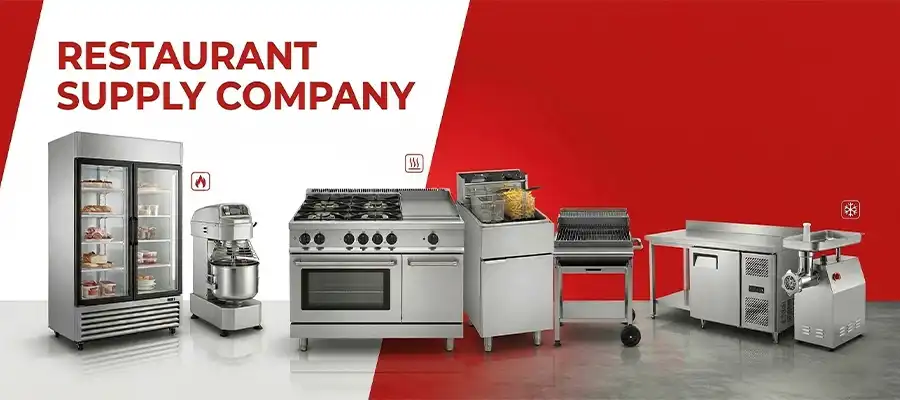
Main cooking appliances: gas and electric ranges, ovens, grills, deep fryers, and hot‑tops.
-
Refrigeration and freezing units: refrigerators and freezers to keep ingredients fresh and prevent spoilage.
-
Food‑preparation equipment: mixers, meat grinders, and dough‑kneading machines.
-
Serving and storage tools: shelving, storage bins, and serving trays that keep food organized and safe.
-
Cleaning and safety tools: sinks, dishwashers, hand‑washing stations, and fire‑safety equipment.
-
Quick‑preparation appliances: microwaves, salad prep units, and juice machines.
-
Temperature‑control equipment: warming units and holding cabinets to serve food at the ideal temperature.gofoodservice+1
What is the difference between buying new and used restaurant equipment?
The difference between purchasing new restaurant equipment and buying used restaurant equipment lies in several important aspects that affect operating cost, work efficiency, sustainability, and equipment lifespan. Here is a clear explanation to help you understand the main differences before making a purchase decision.
-
Initial cost
-
New equipment:
Carries a significantly higher purchase price, which can place a heavy burden on the project’s budget, especially when opening a new restaurant.
-
Used equipment:
Typically costs 30–70% less than new units, helping to reduce the required startup capital.
-
Warranty and reliability
-
New equipment:
Usually comes with a manufacturer warranty, which protects you against early failures and early maintenance costs.
-
Used equipment:
Often has no warranty or only a limited one, meaning you bear the full cost of repairs.
-
Technical condition and performance
-
New equipment:
Incorporates the latest technology and tends to be more energy‑efficient, which can lower long‑term operating costs.
-
Used equipment:
May be older or partially worn, may require more frequent maintenance, and can be less efficient in energy use.
-
Ease of maintenance and spare parts
-
New equipment:
Parts and service support are usually readily available from the manufacturer or distributor.
-
Used equipment:
You may face difficulty finding spare parts, especially for older or discontinued models.
-
Resale value
-
New equipment:
Loses significant value quickly after purchase, so you may receive a lower price if you sell later.
-
Used equipment:
Often has more stable residual value, as most of the depreciation has already occurred.
-
Availability and time to operation
-
New equipment:
Some units may have longer manufacturing or delivery times, especially if they are custom‑made or imported.
-
Used equipment:
Often available immediately and can be installed quickly in the kitchen.webstaurantstore+1
Should you choose new or used restaurant equipment?
When equipping a new restaurant or upgrading an existing kitchen, one of the biggest decisions you face is selecting the right kitchen equipment. This choice affects not only your budget, but also service quality, operational smoothness, and the continuity of work without interruptions. The common question among project owners is: should I choose new, high‑quality equipment, or used equipment that saves money? The following points will help you find the right answer based on your operational needs.
-
Reliability and ease of operation:
New equipment is usually more reliable and operates consistently with fewer breakdowns, reducing unplanned stops and ensuring smooth service flow.
-
Warranty and after‑sales service:
New equipment commonly comes with a manufacturer warranty and technical support, giving you peace of mind in case of any malfunction.
-
Energy efficiency and modern technology:
Modern equipment usually employs advanced technology and higher energy efficiency, which lowers operating costs over time.
-
Initial cost and financial investment:
Used equipment is much cheaper than new units, helping you reduce the upfront capital needed to equip the kitchen quickly and at lower cost.
-
Maintenance and future costs:
Used equipment may require more maintenance or quicker repairs due to prior use, while new equipment with regular maintenance tends to last longer.litsupply+1
Therefore, if your goal is continuous, trouble‑free operation, high reliability, warranty coverage, and technical support, new equipment is the better choice. On the other hand, if your budget is limited, you need a fast setup, and you have the capacity to inspect and maintain the equipment properly, used equipment remains a practical and suitable option.
Steps to choose the best equipment for your restaurant
Choosing restaurant equipment is not just a simple purchase step; it is an important part of your operational plan for long‑term stability and success. This decision defines how efficiently the kitchen works, how high the service quality is, and how well you can meet customer needs. Careful planning and smart equipment selection save you time, effort, and additional costs later, and ensure smooth operations from day one of operation into future years.
-
Define your restaurant concept and service style:
Before selecting any machine, decide the type of restaurant you are opening (fast food, seafood, grill, café, etc.), as this will define the basic equipment required in your kitchen.restauranttimes+1
-
Prepare a clear operational and financial plan:
Create a detailed budget for equipping the kitchen and prioritize between essential equipment and complementary tools. A clear financial plan supports smarter purchasing decisions and prevents random overspending.
-
Analyze your menu and operational needs:
Understand the processes required by your dishes (cooking, preparation, chilling). Each dish demands specific equipment, so place those machines high on your priority list based on expected volume and customer traffic.
-
Measure kitchen space and design the layout:
Measure the available space and design a workflow that allows easy movement between different work zones, with dedicated areas for large equipment, refrigeration, and ovens.scribd+1
-
Choose reliable suppliers and quality‑certified equipment:
Select suppliers that offer certified equipment, good warranty, and after‑sales service, with spare parts and technical support availability.
-
Consider health and safety requirements:
Ensure that the equipment complies with local health and safety standards, such as proper ventilation, fire‑protection systems, and correct drainage systems.
-
Plan a future maintenance schedule:
Define a periodic maintenance plan before opening, to maintain performance without breakdowns, extend equipment life, and prevent unexpected failures during peak hours.
-
Start by purchasing core equipment first:
Begin with essential items necessary to start operations (ranges, ovens, refrigerators, fryers), then gradually add more equipment as the business grows.
-
Evaluate future scalability:
Choose equipment that can be upgraded or expanded as the restaurant grows, so you do not need a full replacement when demand increases or new dishes are added.gofoodservice+1
Best restaurant equipment from Target Egypt
Target Egypt is one of the most trusted and reputable companies in Egypt that supplies professional restaurant equipment, combining high quality, durability, and precise execution to best meet hospitality‑sector needs. The company provides a complete range of restaurant equipment, from cooking and heating units, refrigeration and freezing systems, food‑preparation machines, and dishwashing equipment to custom solutions suitable for restaurants, cafés, bakeries, and hotels, with comprehensive after‑sales support and maintenance services that ensure continuous operation without unexpected shutdowns.
-
Hosty Water Grill Gas Grill EN29
-
A professional gas grill that combines high performance, healthy cooking, and easy maintenance, with a water‑tray system that minimizes smoke and odors, making it ideal for busy commercial kitchens.restauranttimes+1
-
KAZ Stainless‑Steel Preparation Table
-
A robust, stable, easy‑to‑clean work surface suitable for food preparation, ingredient sorting, and quick‑prep stations, made entirely from stainless steel for long‑term durability.webstaurantstore+1
-
Vegetable‑cutting and preparation machine (multi‑disc cutter)
-
A commercial vegetable‑processing machine with multiple interchangeable cutting discs that increases speed, consistency, and hygiene in daily vegetable preparation, while reducing manual effort and errors.mirandaeserra+1
Frequently asked questions about restaurant equipment
-
How can I ensure the equipment meets health and safety standards?
Check quality certifications and confirm that the machines comply with local health and safety regulations before purchase and installation.
-
Do I need additional equipment for cleaning or maintenance?
Yes; dishwashers, sinks, safety tools, and cleaning supplies are essential to maintain kitchen cleanliness and efficiency.
-
How do I choose the best restaurant‑equipment supplier in Egypt?
Look for companies with a strong reputation, reliable equipment, comprehensive after‑sales service, and readily available spare parts, such as Target Egypt.wilprepkitchen+1
In conclusion, we have outlined the differences between buying new and used restaurant equipment in terms of cost, reliability, operational efficiency, warranty, and after‑sales service, as well as the importance of complying with health and safety requirements. The right choice depends on your budget, restaurant size, and service style. New equipment offers higher performance and long‑term comfort, while used equipment can be a practical option to lower upfront costs. The right decision will ensure you have a more efficient kitchen and the ability to continuously provide the best service to your customers.
Read Also:
Display Refrigerators: A Complete Guide from Target Egypt





 Beverage Machines
 Coolers
 Food Preparation
 Heating & Cooking
 KAZ Commercial