

Blog

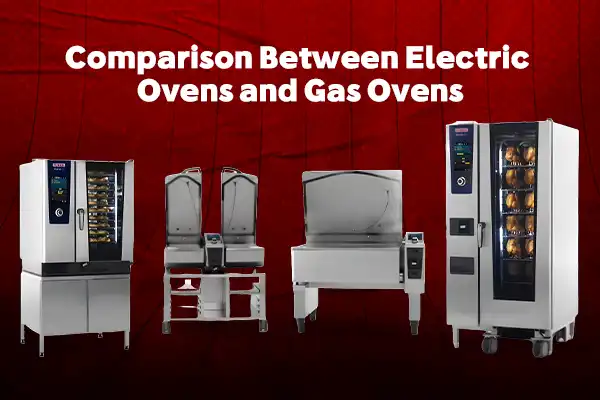
Choosing the right type of oven is one of the most important decisions for any kitchen, whether domestic or commercial. The type of oven directly affects cooking efficiency, food quality, and energy consumption. In this context, electric ovens and gas ovens stand out as the two main options, each offering its own advantages and disadvantages depending on the user’s needs and cooking style.
This comparison aims to highlight the key differences between electric and gas ovens in terms of performance, speed, heat control, and energy efficiency, helping you make the best decision according to your cooking habits and available kitchen space.
Comparison Between Electric Ovens and Gas Ovens
A suitable oven gives you better temperature control, high cooking efficiency, and potentially lower energy consumption, which positively affects your electricity or gas bill depending on the oven type and usage.
To choose the best option, you first need to understand the fundamental differences between electric and gas ovens:
1. Power Source
Electric Oven:
Relies entirely on electricity to operate the upper and lower heating elements. It must remain connected to a power source at all times to function.
Gas Oven:
Runs on natural gas or propane and does not require electricity to operate, making it practical even during power outages.
2. Temperature Control
Electric Oven:
Offers precise temperature control through a built-in thermostat, allowing stable and even heat across different sections of the oven. This ensures balanced and accurate cooking.
Gas Oven:
Heats up quickly but is less precise in temperature control. Adjusting the flame can cause slight fluctuations in heat compared to electric ovens.
3. Heat Distribution
Electric Oven:
Often equipped with internal fans that help distribute heat evenly, providing consistent cooking results and minimizing hot spots or undercooked areas.
Gas Oven:
Relies on natural heat transfer from the flame, which can result in uneven heating, especially with concentrated heat in the upper or lower sections.
4. Cost and Energy Consumption
Electric Oven:
Generally more affordable to purchase initially, but operating costs depend on electricity prices and usage patterns. Costs may be higher with heavy, frequent use.
Gas Oven:
May cost slightly more upfront, but is more economical to operate if gas prices are low—especially for long or frequent use.
5. Maintenance and Cleaning
Electric Oven:
Easier to clean, especially models with self-cleaning features that reduce the need for manual scrubbing.
Gas Oven:
Requires regular cleaning of the burner and ignition system to prevent buildup that could affect performance.
How Electric and Gas Ovens Work
Electric Oven:
- Power Source: Operates using electricity to activate the heating elements.
- Heating: Upper and lower elements heat up when the oven is turned on.
- Heat Distribution: Many models include a fan for even heat distribution.
- Temperature Control: Precise thermostat ensures accurate heat settings.
- Cooking Modes: Supports grilling, slow cooking, baking, and more.
Gas Oven:
- Power Source: Uses natural gas or propane.
- Heating: Flame located at the bottom or top heats the oven cavity.
- Heat Distribution: Natural heat circulation, which can sometimes be uneven.
- Temperature Control: Adjusted manually using flame intensity.
- Cooking Modes: Ideal for fast cooking and browning due to strong direct heat.
Why Choosing the Right Oven Matters
Selecting the right oven is essential for both home and professional kitchens because it impacts cooking quality, efficiency, and energy use. The oven isn’t just a heating appliance—it’s a key tool that shapes your cooking experience.
Benefits of Choosing the Right Oven:
- Ensures even and professional cooking results.
- Provides accurate temperature control.
- Saves time and effort.
- Reduces energy consumption.
- Fits your kitchen space efficiently.
- Supports various cooking styles.
- Increases durability and minimizes maintenance needs.
Electric or Gas Oven — Which Should You Choose?
The ideal choice depends on several factors:
- Cooking Style: Slow cooking, grilling, roasting, or baking.
- Type of Dishes: Baked goods vs. fast-cooked meals.
- Kitchen Space: Proper ventilation and installation area.
- Operating Costs: Electricity vs. gas price in your region.
- Ease of Cleaning: Depending on the oven design.
- Energy Availability: Choose what is more reliable in your home.
Maintenance Tips for Ovens
Proper maintenance keeps your oven efficient and extends its lifespan.
Essential Tips:
- Clean after each use to avoid buildup.
- Use safe, dedicated oven cleaners.
- Check heating elements or burners regularly.
- Clean internal fans (electric ovens).
- Inspect gas valves and hoses (gas ovens).
- Use the self-cleaning feature if available.
- Avoid overloading the oven.
- Contact a technician when needed.
Top-Quality Ovens from Target Egypt
Target Egypt offers a wide collection of high-quality ovens suitable for home kitchens, restaurants, and commercial food operations. Whether you prefer modern electric ovens or practical gas ovens, you will find reliable options with premium materials and advanced features.
GASTROTEK OVC009 Combi Oven
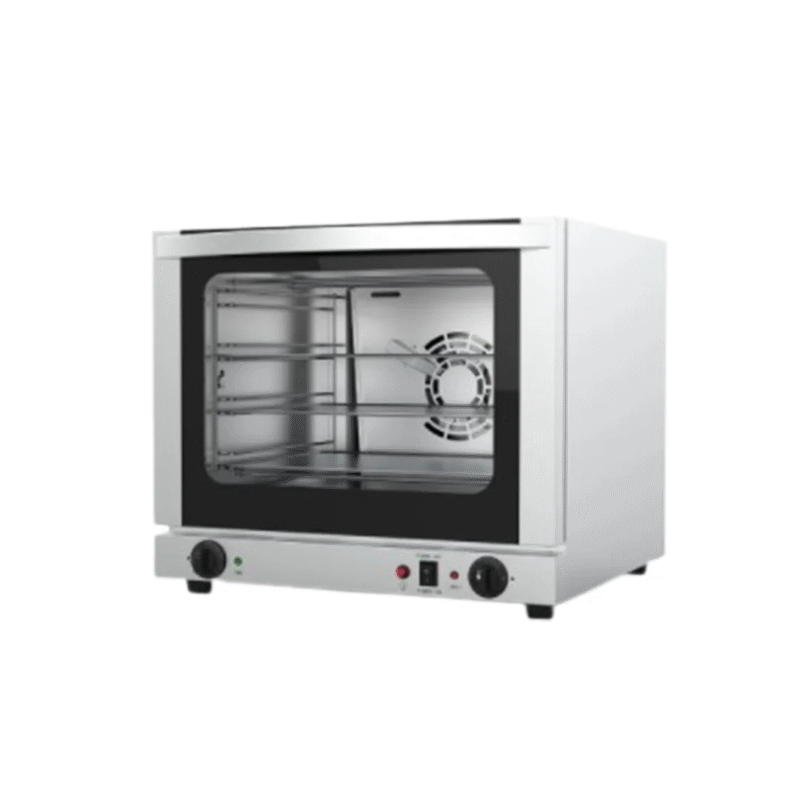
A professional cooking solution combining convection and steam:
- Combines heat and steam functions in one unit
- Precise control over temperature and humidity
- Versatile design for commercial kitchens
- Capacity of 9 GN 1/1 trays
- Ideal for medium to large food production
- Energy-efficient and fast-cooking design
Mono Harmony Deck Oven
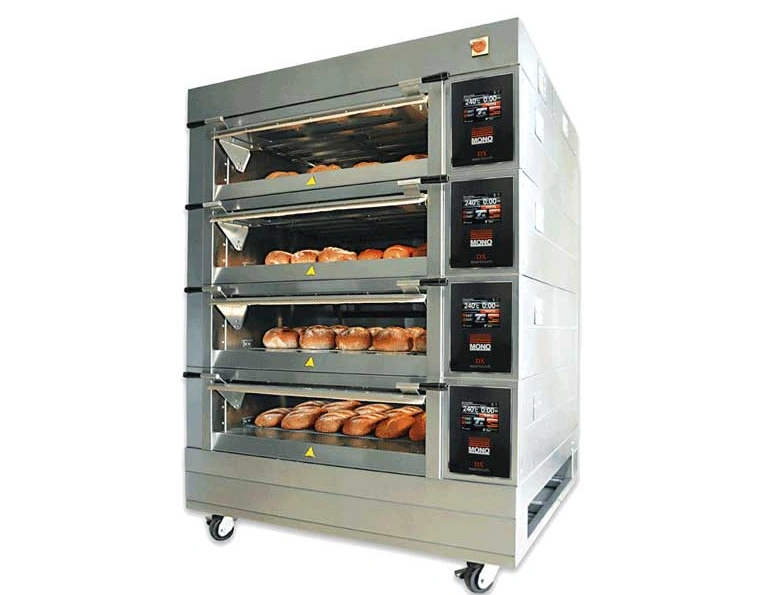
A modular multi-deck oven designed for commercial efficiency:
- Multiple decks for high-volume cooking
- Modular design for easy installation and maintenance
- Space-efficient vertical layout
- Even heat distribution
- Suitable for restaurants, hotels, and bakeries
- Flexible configuration based on kitchen needs
Bonnet Equajet 20-Grid Gas Combi Oven
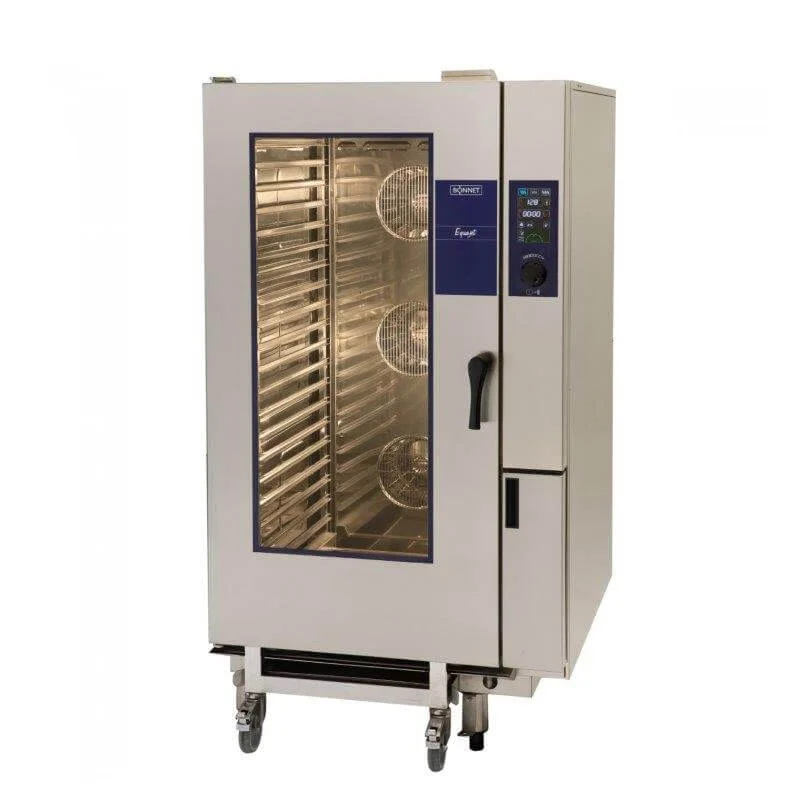
A high-performance combi oven designed for large facilities:
- Convection, steam, and combined cooking modes
- Precise temperature and humidity control
- Large 20 × 1/1 GN capacity
- Suitable for hotels, catering, and high-volume kitchens
- Durable design for continuous heavy use
- Increases productivity and reduces cooking time
Frequently Asked Questions
Are gas ovens faster than electric ovens?
Yes. Gas ovens heat up faster due to the direct flame, while electric ovens take longer to reach the desired temperature.
Can a gas oven work during power outages?
Yes. Gas ovens function without electricity, making them useful during outages. Electric ovens will not operate without power.
Which oven is better for baking and pastries?
Electric ovens are better for baking due to stable, even heat distribution.
Gas ovens are better for fast cooking and browning but are less ideal for delicate pastries.
Are both ovens suitable for small kitchens?
Electric ovens come in many compact sizes.
Gas ovens require more space for ventilation and gas line installation.
Which oven lasts longer?
Lifespan depends on quality and maintenance.
Electric ovens usually require less maintenance, while gas ovens need regular burner cleaning.
Conclusion
In this complete comparison between electric and gas ovens, we explored the differences in temperature control, heating speed, heat distribution, cost, and maintenance. Your choice depends on your cooking style, kitchen size, food type, and operating budget.
Selecting the right oven ensures consistent food quality, reliable performance, and efficient time and energy management—boosting productivity in commercial kitchens and ensuring customer satisfaction.




 Beverage Machines
 Coolers
 Food Preparation
 Heating & Cooking
 KAZ Commercial