Display refrigerators are essential appliances for keeping food and beverages fresh and ensuring safe, high-quality service for customers. Due to heavy daily use and high pressure in commercial kitchens, these refrigerators may experience various faults that affect performance and efficiency, potentially leading to food spoilage or unexpected operational downtime. Therefore, it is crucial to understand the most common display refrigerator problems and how to prevent and address them to ensure smooth and efficient operations.
Common Display Refrigerator Problems in Restaurants and Cafés
Display refrigerators play a vital role in maintaining safe temperatures for food and beverages. With intensive daily use, they may suffer from mechanical or technical issues that reduce efficiency. Identifying these problems early helps prevent them from escalating.
- No cooling or weak cooling performance
The refrigerator may fail to reach or maintain the required temperature due to blocked fans, dirty condenser coils, or a faulty compressor.
- Uneven temperature distribution inside the refrigerator
Hot or cold spots may occur due to a malfunctioning thermostat, damaged temperature sensors, or blocked air vents.
- Excessive frost or ice buildup
Ice accumulation on coils or inside the unit usually indicates a defrost system failure or cold air leakage caused by damaged door seals.
- Water leakage or excessive condensation
Water leaks often result from clogged drain lines or ventilation and insulation issues, causing moisture buildup and hygiene concerns.
- Unusual noises or loud operation
Abnormal sounds may indicate problems with fans, compressor motors, or worn internal components.
- High electricity consumption or continuous operation
Constant running or increased energy usage may be caused by air leaks from damaged door gaskets or dirty coils forcing the unit to work harder.
- Refrigerant (gas) leakage or low refrigerant levels
Low refrigerant levels or leaks reduce cooling efficiency and increase system pressure, requiring professional inspection and repair.
Types of Restaurant Refrigerators
Restaurant refrigerators come in various designs to meet different storage and display needs within commercial kitchens. Choosing the right type ensures better organization and efficient workflow.
- Upright storage refrigerators
Large vertical units used for storing ingredients and prepared food, available with single, double, or triple doors.
- Walk-in refrigerators
Large cold rooms designed for high-volume storage, ideal for large restaurants and hotels.
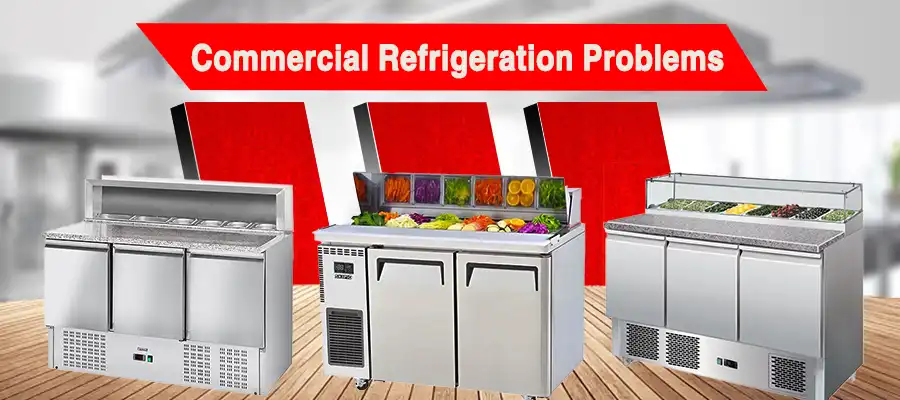
- Under-counter refrigerators
Compact units placed under work surfaces to save space and provide quick access to ingredients.
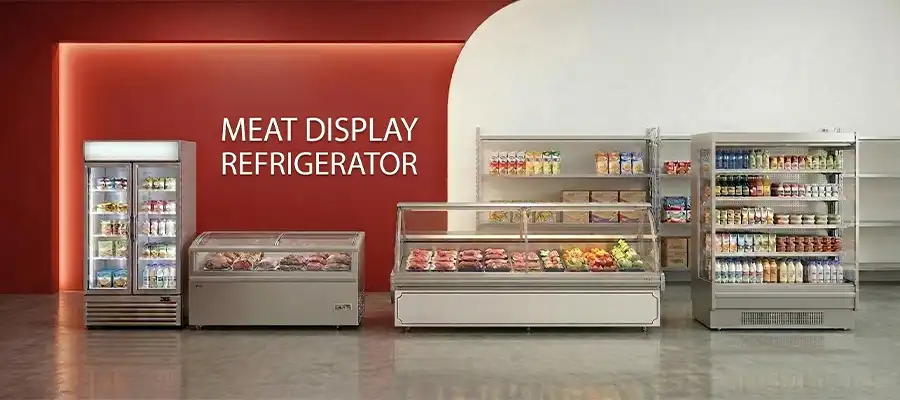
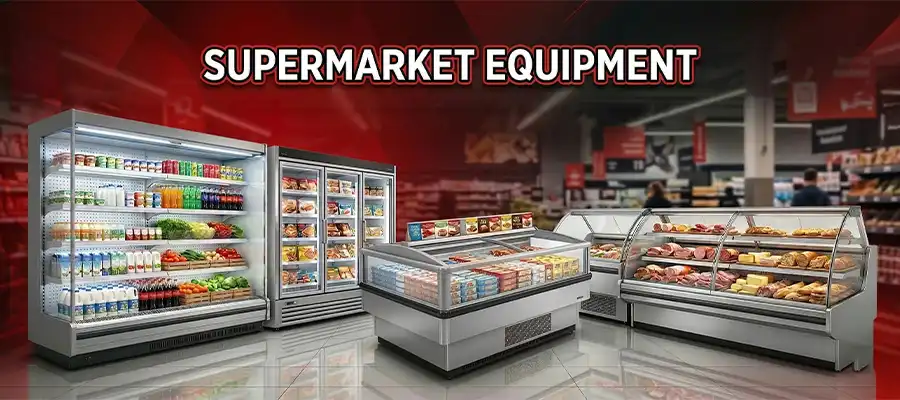
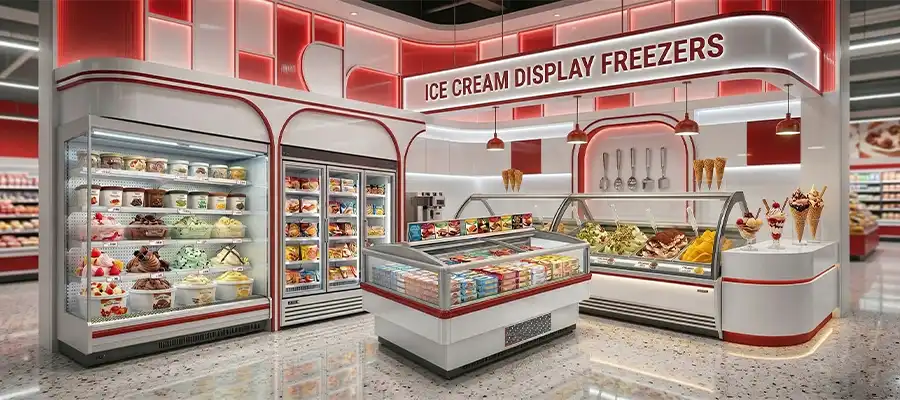
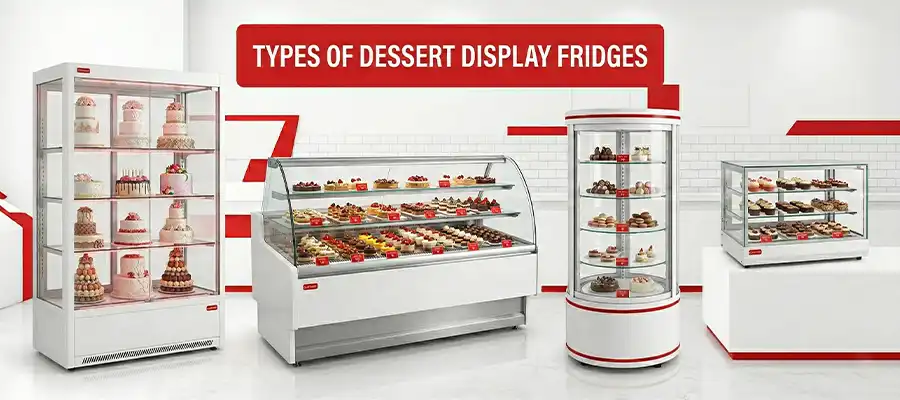
- Display refrigerators
Designed to visually showcase beverages, desserts, sandwiches, and ready-to-serve items, typically with glass doors and internal lighting.
- Back-bar and service refrigerators
Used behind counters or in preparation areas to keep frequently used items within reach.
- Small and countertop refrigerators
Compact units for limited spaces or direct service areas, suitable for drinks and light food items.
How to Prevent Common Refrigerator Problems
Preventive maintenance significantly reduces unexpected downtime, preserves food quality, and lowers repair costs. Simple routine practices can help avoid major issues.
- Clean condenser coils regularly to improve airflow and prevent compressor strain
- Inspect and maintain door gaskets to prevent cold air leakage
- Monitor temperatures regularly using a thermometer and daily log
- Defrost ice buildup if the unit lacks an automatic defrost system
- Clean drain lines to prevent water leakage and odors
- Avoid overloading the refrigerator to ensure proper air circulation
- Check internal components such as fans, compressors, and filters regularly
- Train staff on proper usage, including minimizing door opening time
- Schedule professional maintenance annually or semi-annually
When Should You Call a Professional Technician?
Some refrigerator problems require professional expertise and should not be handled through basic cleaning or adjustments. Contact a technician in the following cases:
- Inability to maintain a stable temperature despite correct settings
- Excessive ice buildup in units with automatic defrost systems
- Loud or unusual noises such as clicking or humming
- Water leakage or persistent condensation
- Unexplained increase in electricity bills
- Repeated faults after basic repair attempts
- Signs of refrigerant leakage or severe cooling loss
Frequently Asked Questions About Display Refrigerator Problems
Why is the refrigerator not cooling properly?
This may be caused by a faulty thermostat, blocked air vents, or dirty condenser coils that reduce cooling efficiency.
What does excessive ice buildup inside the refrigerator indicate?
It usually indicates a defrost system issue or damaged door seals preventing proper airflow.
When does water leakage indicate a serious problem?
Water leakage often points to a clogged drain line or drainage system failure and requires inspection and repair.
Conclusion
In conclusion, understanding common display refrigerator problems, their causes, and preventive measures helps ensure continuous cooling performance and protects stored food. Regular maintenance, correct usage, and timely professional intervention reduce unexpected breakdowns and operating costs, allowing restaurants and cafés to maintain efficient and reliable operations.






 Beverage Machines
 Coolers
 Food Preparation
 Heating & Cooking
 KAZ Commercial