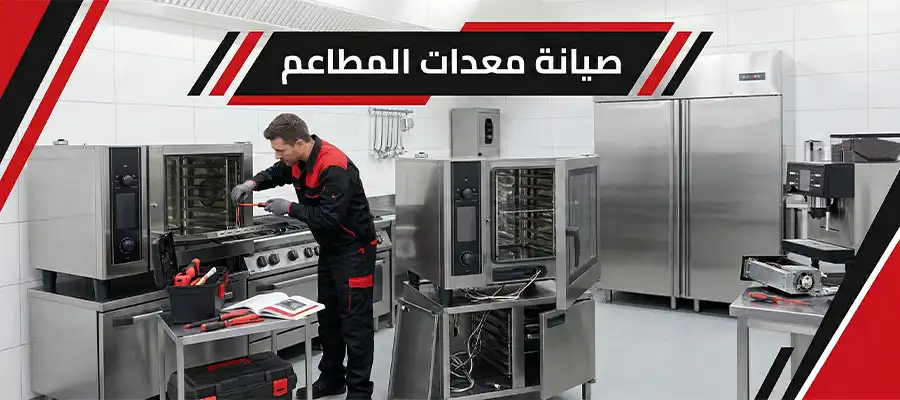
Restaurant ovens are among the most important appliances in any professional kitchen. They are the heart of the cooking process and essential for delivering food at the highest quality. Keeping these ovens efficient and ensuring they operate for long periods is not only about using them correctly, but also about performing regular maintenance and following specific steps that simplify the care process.
In this article, we provide a practical guide for maintaining gas and electric restaurant ovens, outlining simple and effective steps that help extend the lifespan of the appliance, preserve optimal performance, and prevent sudden breakdowns that may disrupt workflow in the kitchen.
Detailed Step-by-Step Maintenance Guide for Restaurant Ovens
Maintaining gas and electric restaurant ovens is essential for keeping them efficient and ensuring safe, long-term operation. This guide presents clear, simple steps to help you clean, inspect, and extend the lifespan of your oven.
First: Gas Oven Maintenance
Here are the key steps to maintaining gas ovens:
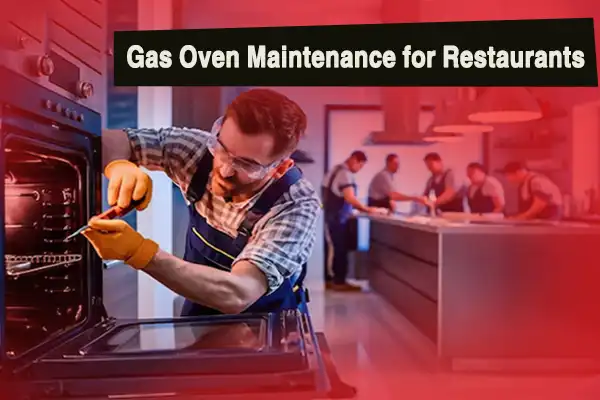
1. Initial Inspection
- Begin by inspecting the oven inside and out.
Check for rust, deformities, grease buildup, or food residue on the glass or around the burners.
- Inspect the gas connection, hoses, and valves to ensure there are no leaks, as safe operation depends on them.
2. Cleaning Burners, Openings, and Gas Distributor
- Remove the burners and wash them thoroughly with warm water and soap.
- If the burner openings are clogged with food or debris, use a soft brush or mild cleaning solution to clear them carefully.
- Make sure the burners produce a stable, even flame. A weak or unstable flame may indicate a blockage or low gas pressure.
3. Checking Valves and Ignition System
- Ensure ignition valves and gas connections are intact and functioning properly.
- The ignition system should work smoothly without delay.
- If you notice even a slight smell of gas after turning the oven on, stop immediately and call a qualified technician to inspect the connections.
4. Door & Insulation Maintenance
- Inspect the oven door: glass, seal, and gasket (if available). A damaged seal can cause heat loss and uneven cooking.
- Clean the exterior as well—removing grease from the surface improves safety and reduces buildup.
5. Regular Maintenance Schedule
- Weekly: Quick inspection and light cleaning of burners and connections.
- Monthly: Deep cleaning of burners, interior, door, and accessible parts.
- Every 3–6 months: Professional maintenance to check pressure, valves, and replace gaskets if needed—especially for ovens used heavily in restaurants.
Second: Electric Oven Maintenance
Here are the essential steps for maintaining electric ovens:
1. Disconnect the Power First
Before any cleaning or maintenance, always unplug the oven.
This is a critical safety step to avoid electrical hazards.
2. Regular Internal & External Cleaning
- After the oven cools down, remove trays and racks and wash them with warm water and soap.
- Wipe interior walls, base, and door using a damp cloth with mild detergent.
- For tough grease, use a soft sponge or oven-safe cleaner.
- Clean the exterior as well—especially stainless-steel doors or handles—using a suitable cleaner and wiping in the grain direction.
3. Inspect Wiring, Heating Elements & Electrical Components
- Regularly check wires, plugs, and internal heating elements.
- Any damage, corrosion, or burnt smell may indicate a safety risk.
- In commercial kitchens, heating elements, insulation systems, and ventilation should be checked periodically to ensure even heat distribution.
4. Mechanical Parts: Door Hinges & Insulation
- Make sure the door closes tightly and the gasket is in good condition.
- Any thermal leakage reduces efficiency and affects cooking accuracy.
- Clean edges and glass regularly to prevent grease buildup that could cause rust or unpleasant odors.
5. Maintenance Schedule
- Daily (or after major use): Quick cleaning to remove food residue before it hardens.
- Weekly/Monthly: Deep internal and external cleaning depending on usage level.
- Every 3–6 months: Professional inspection of wiring, heating system, gaskets, and insulation.
Importance of Restaurant Oven Maintenance
Maintaining restaurant ovens is essential for ensuring efficient operation and consistently high food quality. Regular cleaning and professional maintenance of electric and gas ovens offer several benefits:
- Maintain performance and efficiency: Ensures even heat distribution and consistent cooking power.
- Extend oven lifespan: Cleaning and inspecting internal and external components reduces early damage and wear.
- Safety: Checking gas connections and electrical wiring prevents leaks and accidents.
- Save energy: A clean, efficient oven consumes less gas or electricity.
- Prevent sudden breakdowns: Reduces downtime during peak hours.
- Improve cooking results: A well-maintained oven ensures stable temperatures and even cooking.
Tips for Proper Restaurant Oven Care
- Clean the oven after every major use to remove food residue and grease.
- Perform regular inspections of internal and external parts such as burners, elements, gaskets, and glass.
- Check gas connections and electrical wiring to ensure there are no leaks or damage.
- Avoid harsh chemicals—use oven-safe cleaning products to protect metal and glass components.
- Monitor heat distribution, cooking performance, and temperature stability.
- Call a professional technician for complex electrical or gas issues.
- Clean the door, edges, and seals regularly to ensure the oven closes tightly.
- Follow a consistent maintenance schedule (weekly, monthly, and quarterly).
Best Restaurant Ovens from Target Egypt
Target Egypt is one of the leading companies in Egypt specializing in commercial kitchen and restaurant equipment. They offer a wide range of professional ovens and cooking appliances suitable for restaurants and bakeries. Here are some of the top options:
Falcon G3161 Gas Oven Range
A perfect choice for professional cooking in commercial kitchens, hotels, and institutions that require high performance and large capacity.
Key Features:
- Multiple cooking modes: convection, steam, and combi cooking.
- Precise control over temperature and humidity.
- Large production capacity (up to 20 × 1/1 GN containers).
- Strong, durable design suitable for heavy-duty use.
- Delivers consistent, high-quality cooking results.
- Flexible usage for baking, roasting, steaming, and combi cooking.
Falcon G3161 Gas Cooker with Oven
A durable, reliable appliance ideal for commercial kitchens, restaurants, and hotels, offering strong performance and great flexibility.
Key Features:
- Four high-performance gas burners.
- Spacious traditional oven ideal for baking and roasting.
- Built for intensive commercial use.
- Easy-to-use control panel for precise cooking.
- Ensures even cooking with consistent quality.
GASTROTEK OVC003 Combi Oven
An excellent solution for commercial kitchens and hotels that require high productivity and superior performance.
Key Features:
- Combines convection and steam cooking in one unit.
- Precise control of temperature, humidity, and airflow.
- Supports up to 3 GN 1/1 trays—ideal for small kitchens.
- Compact, space-saving design.
- Ensures consistent cooking results with excellent flavor and texture.
- Suitable for small kitchens, cafés, and catering operations.
Frequently Asked Questions About Oven Maintenance
Can we maintain the oven ourselves or do we need a technician?
Basic cleaning and visual inspections can be done internally, but electrical and gas systems should be checked by a professional.
When does the oven need urgent maintenance?
If you notice unstable flames, gas smells, electrical issues, or uneven heat distribution.
Does maintenance affect oven lifespan?
Yes—regular maintenance reduces wear and keeps the oven efficient for a longer time.
Is gas oven maintenance different from electric oven maintenance?
Yes—each type has unique requirements related to heating systems, connections, and insulation.
Which oven parts require constant monitoring?
Burners or heating elements, gaskets, wiring, gas valves or ignition systems, and the door/glass.
Conclusion
In this guide, we explored step-by-step maintenance for gas and electric restaurant ovens—from routine cleaning and regular inspections to professional technical checks. Following these steps ensures stable oven performance, maintains cooking quality, extends appliance lifespan, reduces unexpected breakdowns, and provides a safe, reliable environment in commercial kitchens.






 Beverage Machines
 Coolers
 Food Preparation
 Heating & Cooking
 KAZ Commercial