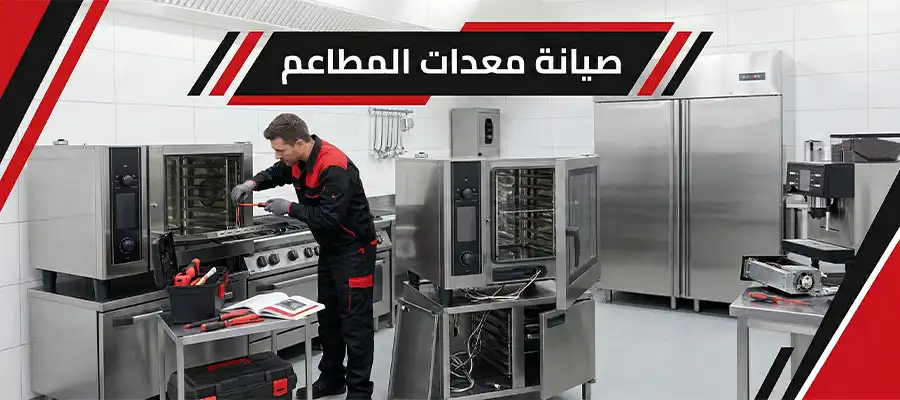
Restaurant‑kitchen maintenance plays a central role in the success of any food‑services establishment, as all operational stages depend on equipment—from ingredient preparation to serving high‑quality meals. With intensive daily use, maintaining restaurant equipment becomes essential to preserve performance efficiency and avoid unexpected breakdowns that can halt operations and impact service quality. Regular maintenance not only extends the life of machines, but also helps reduce repair costs, improve energy efficiency, and ensure compliance with safety and quality standards inside a professional kitchen.
How to choose restaurant equipment‑maintenance companies in Egypt
Choosing the right restaurant‑equipment‑maintenance company in Egypt is an important decision that affects the continuity of your restaurant’s operations and the efficiency of its appliances. A good maintenance company does much more than repair faults; it provides comprehensive technical support that ensures stable equipment performance and minimizes unplanned downtime.
-
Experience in the restaurant sector:
Make sure the company has extensive experience specifically in maintaining restaurant equipment, not just general appliance service, so it understands the demands of a commercial‑kitchen environment.
-
Qualified and certified technical team:
A team of specialized, trained technicians increases service quality and reduces the risk of mistakes during repairs.
-
After‑sales support:
Choose a company that offers regular follow‑up and continuous technical support after maintenance to guarantee consistent equipment performance.
-
Availability of genuine spare parts:
Using original, certified spare parts ensures better equipment performance and extends its operational life.
-
Fast emergency response:
The company should react quickly to unexpected breakdowns and minimize service interruptions inside the restaurant.
-
Reviews and recommendations:
Checking previous customers’ feedback and recommendations from other restaurants can help you select a reliable maintenance partner.
-
Pricing and preventive‑maintenance plans:
Compare bundled maintenance offers and regular service packages, and choose one that fits your budget and kitchen needs.
-
Contractual and comprehensive services:
Annual or semi‑annual maintenance contracts ensure regular service visits and often provide discounts on repairs.
Why is Target Egypt an ideal choice for restaurant equipment purchase and maintenance?
Target Egypt is one of the leading suppliers of restaurant, hotel, and café equipment in the Egyptian market. The company offers integrated solutions that go beyond supplying appliances to include kitchen design, fabrication, and ongoing technical support, ensuring the highest level of operational efficiency. With over 11 years of experience, Target Egypt has built a strong reputation as a trusted partner that helps project owners create complete, professional kitchens according to the latest international standards.
-
Long‑standing experience in the Egyptian market:
More than 11 years of experience in equipping restaurants and food‑service facilities, with over 1,350 successfully equipped sites.
-
Specialized maintenance and technical support:
A team of engineers provides regular maintenance and quick repairs to keep equipment running at peak efficiency.
-
Complete solutions, not just equipment supply:
Target Egypt offers comprehensive services including equipment procurement, strategic kitchen design, and full setup to maximize operational efficiency.
-
High‑quality European equipment:
The company uses imported European‑quality appliances with comprehensive warranties, giving customers confidence and peace of mind.
-
Exclusive distributor for leading European brands:
Through exclusive partnerships with European manufacturers, the company provides the latest technologies and professional‑grade options.
-
Custom‑equipment supply on demand:
Via a global supply network and a UK office, Target Egypt can provide customized fittings tailored precisely to each project’s needs.
-
Professional design and setup services:
The design team creates kitchens and service areas that combine operational efficiency with the brand’s visual identity.
-
Wide geographical presence in Egypt:
Multiple branches across different cities make it easy to access sales and maintenance services quickly.
The importance of regular restaurant‑equipment maintenance
Regular maintenance of restaurant equipment is essential to keep operations running smoothly inside a professional kitchen, especially given the high dependence on appliances for cooking, cooling, and storage. Neglecting maintenance can lead to sudden breakdowns and operational losses that affect service quality and production speed, while periodic inspections help detect problems early and ensure long‑term stable and safe performance.
-
Preservation of performance efficiency:
Regular maintenance keeps machines operating at full capacity without drops in speed or quality.
-
Reduction of unexpected breakdowns:
Detecting minor issues early prevents sudden, disruptive equipment failures in the kitchen.
-
Extended equipment lifespan:
Routine care reduces wear and tear, keeping appliances in service for a longer period.
-
Lower repair costs:
Preventive maintenance is far cheaper than major repairs or full equipment replacement.
-
Food‑safety assurance:
Well‑maintained equipment maintains correct temperatures and helps prevent food spoilage.
-
Improved energy efficiency:
Regularly maintained machines consume less energy and operate more efficiently.
-
Enhanced safety standards:
Maintenance reduces the risk of electrical faults or gas leaks that could cause accidents.
-
Continuous service availability:
Ready‑to‑perform equipment enables fast order delivery without delays.
Key steps in restaurant‑equipment maintenance
Professional kitchen equipment requires consistent care to maintain efficiency and avoid unexpected failures. Following clear, structured maintenance steps helps reduce breakdowns and improves long‑term performance.
-
Create a comprehensive equipment list:
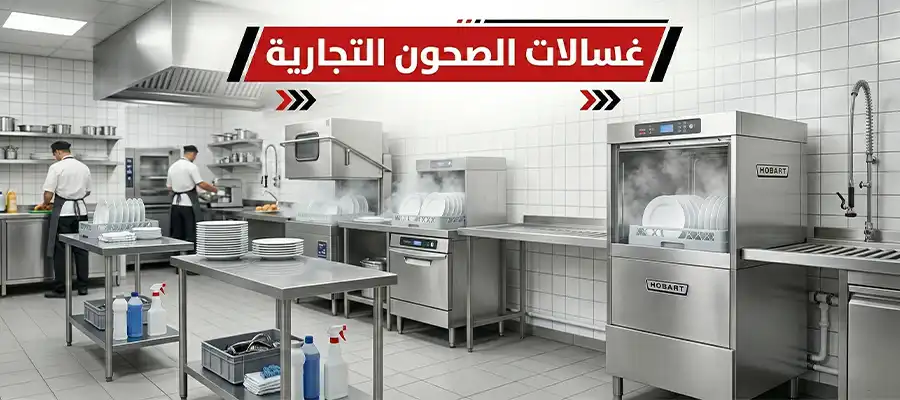
Start by cataloging all devices in the kitchen—cooking, refrigeration, washing, and ventilation systems—so no appliance is missed during inspections.
-
Perform basic daily maintenance:
Include surface cleaning, removal of grease residues, checking for unusual noises or leaks, and confirming normal operation after the daily shift.
-
Follow a weekly maintenance schedule:
Conduct deeper cleaning of ovens and grills, check electrical connections, and verify thermostat accuracy and heat‑performance of thermal appliances.
-
Carry out monthly preventive checks:
Clean cooling coils, inspect ventilation and exhaust systems, and review maintenance logs to catch recurring issues early.
-
Monitor temperatures continuously:
Daily checks of refrigerator and freezer temperatures protect food safety and prevent spoilage of stored products.
-
Regularly clean grease traps and drainage systems:
This prevents blockages, reduces fire risk, and keeps the kitchen environment safe.
-
Inspect safety and protection systems:
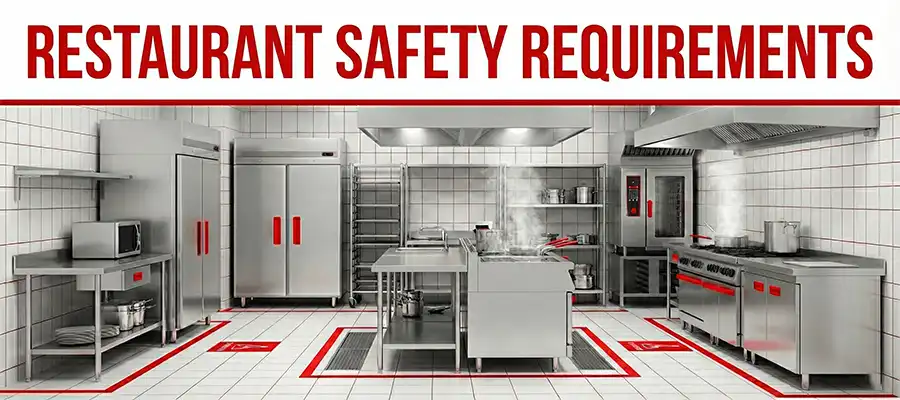
Verify the condition of fire‑suppression systems, ventilation, and electrical grounding to protect staff and reduce operational risks.
-
Use specialized technicians for periodic service:
Some tasks—such as gas‑line or refrigeration‑system checks—require certified specialists to ensure safe, standards‑compliant operation.
-
Document maintenance activities and follow‑up:
Recording inspections and repairs helps track equipment condition and supports timely maintenance or replacement decisions.
What are the main signs of equipment problems?
Monitoring fault indicators in restaurant equipment is a key part of preventive maintenance, as early detection can prevent escalation and avoid costly downtime. Recognizing these signs allows quick intervention, preserves equipment performance, and ensures continuous high‑quality service.
-
Unusual operation noises:
Clicking noises or abnormal vibrations may indicate internal‑component failure.
-
Temperature deviations:
Refrigerators, freezers, or ovens running too hot or too cold affect food quality and safety.
-
Leakage of liquids or cold air:
A sign of leaks in refrigeration circuits or water lines.
-
Slow or delayed performance:
Reduced heating or cooling speed suggests problems with motors or heating/cooling elements.
-
Excessive energy consumption:
Unexplained increases in electricity bills may indicate decreased equipment efficiency.
-
Strange or burning smells:
Electrical‑burn or overheated‑grease odors can signal electrical faults or buildup in thermal appliances.
-
Recurring faults:
Repeated identical issues indicate the need for specialist inspection or comprehensive maintenance.
Essential restaurant equipment from Target Egypt
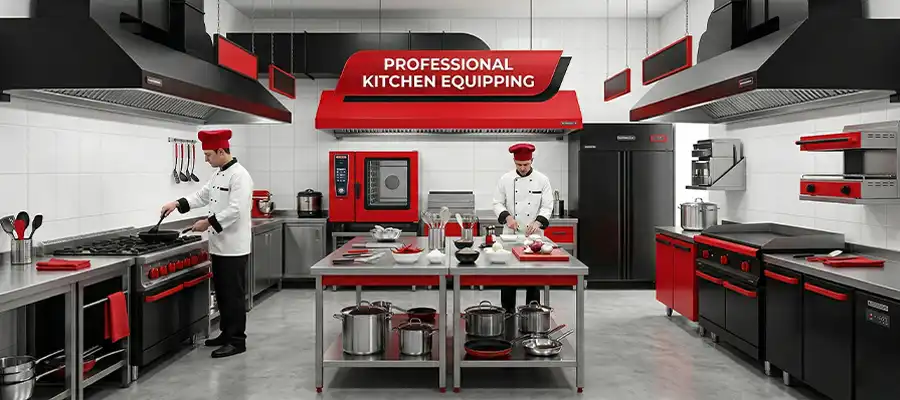
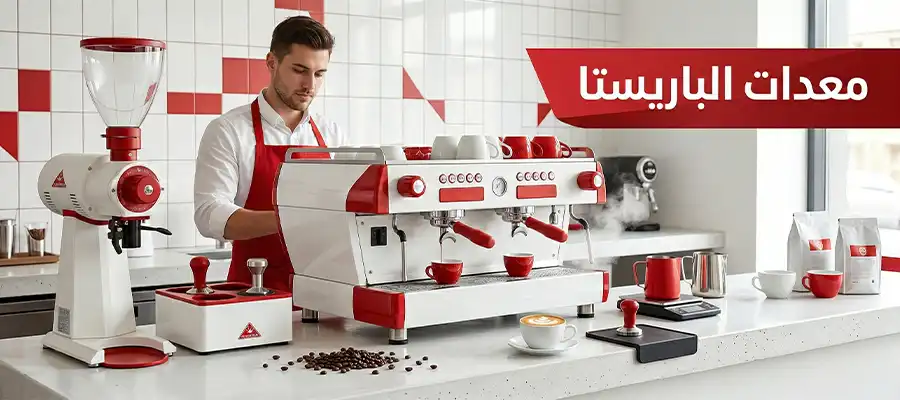
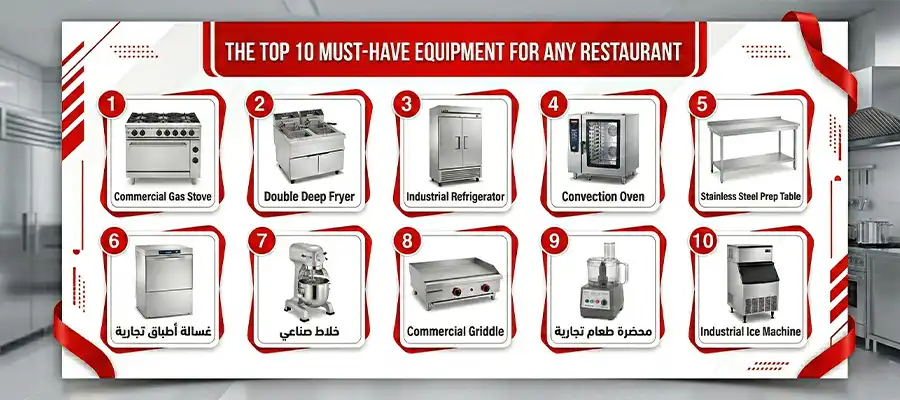
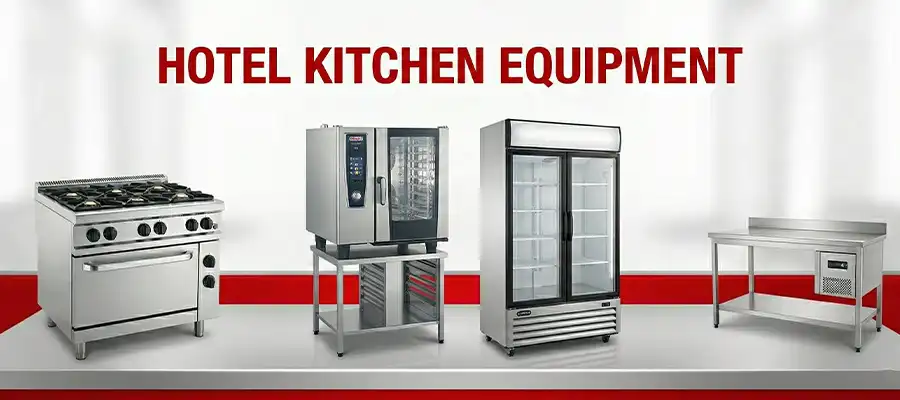
Target Egypt offers a complete range of equipment designed to meet the needs of restaurants and cafés of all sizes, with a focus on high quality and reliability that supports stable, professional‑grade operations and long‑term success. Among the main choices available are:
-
Polar G‑Series G622 3‑door under‑counter refrigerator
A compact, practical unit ideal for small kitchens and busy workstations, providing stable, forced‑air cooling for beverages, juices, and ingredients with low space consumption and high energy efficiency, suitable for restaurants, cafés, buffets, and juice shops.
-
BCF20‑HC Blizzard built‑in blast chiller/freezer
A high‑performance blast‑chill and blast‑freeze cabinet that quickly cools hot food from +70°C to +3°C or freezes it to –18°C, ensuring food safety and quality for hotels, restaurants, cafés, and large catering stations.
-
Hakka 73 cm electric griddle (electric grill):
A professional electric griddle for high‑load kitchens, offering independent dual‑zone control, robust stainless‑steel construction, and a wide temperature range (0–300°C) for consistent, high‑quality grilling.
Frequently asked questions about restaurant‑equipment maintenance
-
Why is regular maintenance essential?
Routine maintenance prevents unexpected breakdowns, preserves equipment efficiency, keeps operations running smoothly, and lowers long‑term costs.
-
Can kitchen staff perform their own maintenance?
Basic tasks such as daily cleaning and simple inspections can be done in‑house, but advanced maintenance and electrical or gas repairs should be handled by certified technicians.
-
Does maintenance affect equipment lifespan?
Yes; regular maintenance reduces wear and operational stress, extending equipment life and delaying the need for replacement.
In conclusion, we have reviewed the main aspects of restaurant‑equipment maintenance, from the importance of periodic servicing and key maintenance steps to the main fault indicators that must be monitored. Committing to these practices ensures that equipment continues to operate efficiently, protects food quality and staff safety, and extends the life of appliances, which directly supports the success and stability of any professional kitchen.







 Beverage Machines
 Coolers
 Food Preparation
 Heating & Cooking
 KAZ Commercial