
Blog

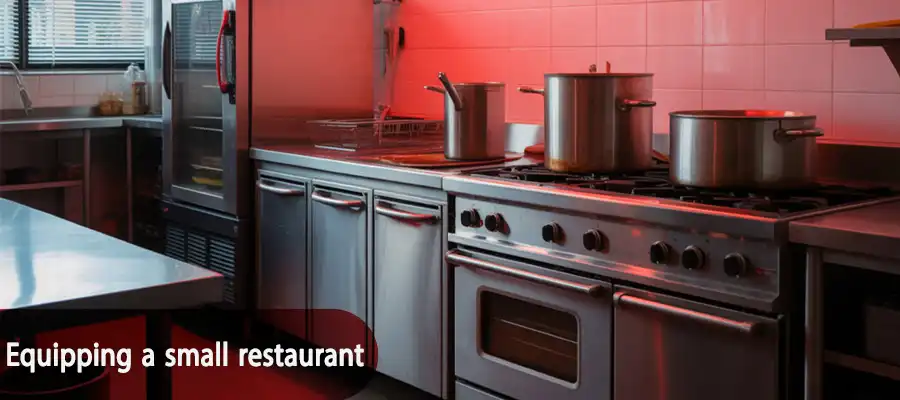
Starting a small restaurant has become one of the most attractive projects for entrepreneurs, thanks to its relatively lower costs compared to large-scale projects, while still offering the potential for good profits when properly planned. However, the success of any restaurant does not depend only on food quality—it starts with proper setup, choosing the right equipment, and organizing operations professionally to deliver an outstanding customer experience. In this article, we highlight the most important steps and essential points for successfully setting up a small restaurant.
Setting Up a Small Restaurant
Setting up a small restaurant is not just about purchasing equipment and placing tables and chairs; it is a strategic process that requires careful planning, a real understanding of the market and target customers, and efficient internal organization to ensure smooth operations. With proper preparation, you can reduce costs and increase your restaurant’s chances of success and sustainability. Below are the key steps to help you build your project correctly from the ground up while maintaining service quality and customer satisfaction.
1. Define the Business Concept and Restaurant Type
- Determine the type of restaurant (fast food, local cuisine, grills, etc.).
- Establish a clear vision and mission that differentiate your restaurant from competitors.
2. Conduct a Feasibility Study
- Include market analysis, expected demand, competitors, estimated costs, and projected profits.
- Helps determine required capital and anticipate potential risks.
3. Choose the Right Location
- High-traffic locations increase customer attraction.
- Proximity to residential areas, offices, or institutions boosts demand.
4. Interior Planning and Space Design
- Smart layout between dining area and kitchen to ensure customer comfort and operational efficiency.
- Consider hygiene standards, proper ventilation, and preparation and storage areas.
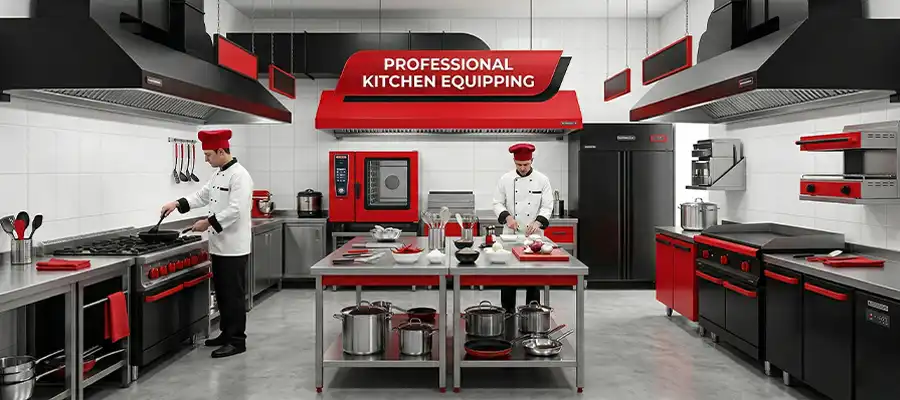
5. Equip the Kitchen with Essential Equipment
Key items include:
- Refrigerators for storage
- Ovens
- Preparation tables
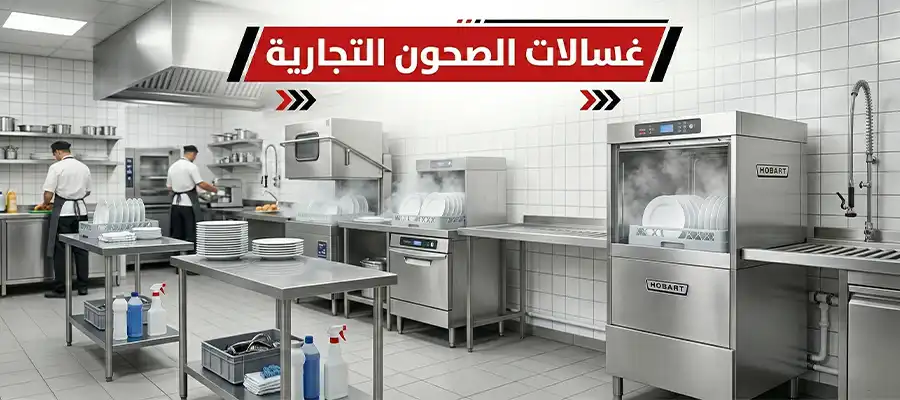
- Cleaning and dishwashing tools
- POS system for order and sales management
6. Furniture and Interior Décor
- Choose comfortable tables and chairs that match the restaurant’s theme.
- Simple, clean décor that reflects brand identity and attracts customers.
7. Licenses and Legal Requirements
- Obtain all required health and commercial licenses.
- Ensure compliance with hygiene and food safety regulations.
8. Human Resources
- Hire qualified chefs and service staff.
- Train the team on operational procedures, hygiene standards, and customer service.
9. Menu Planning
- Select items that suit your target audience and are easy to execute in the kitchen.
- Price items appropriately for the target market.
10. Marketing and Promotion Plan
- Use social media platforms to promote before and after opening.
- Launch special opening offers to attract customers.
11. Cost Management and Profitability
- Monitor operational expenses such as raw materials, salaries, and utilities.
- Track performance monthly to ensure financial sustainability.
Difference Between Setting Up a Small and Large Restaurant
Restaurant setup requirements vary depending on size:
- Kitchen Size and Space:
Small restaurants require compact, smart designs, while large restaurants have spacious kitchens with multiple sections. - Type and Quantity of Equipment:
Small restaurants focus on essential equipment, while large ones need diverse appliances to handle high volumes. - Staffing and Organization:
Small restaurants rely on fewer employees, whereas large restaurants require structured teams and departments. - Setup Cost:
Small restaurant setup costs are lower; large restaurants require higher budgets for advanced equipment. - Operational Efficiency:
Small restaurants focus on speed within limited space; large restaurants depend on integrated systems. - Flexibility and Expansion:
Small restaurants need adaptable equipment; large restaurants are often designed for future expansion. - Maintenance and Cleaning:
Small restaurants are easier to maintain; large restaurants require organized maintenance plans.
Essential Equipment for a Small Restaurant
1. Cooking Equipment
- Commercial gas range (2–4 burners)
- Commercial ovens (gas or electric)
- Deep fryer
- Grill / griddle
2. Refrigeration and Storage
- Commercial refrigerators
- Freezers
- Under-counter refrigerators
3. Food Preparation Equipment
- Stainless steel preparation tables
- Mixers and food processors
- Knives and cutting tools
- Color-coded cutting boards
4. Washing and Cleaning Equipment
- Commercial dishwashers
- Multi-compartment sinks
- Cleaning tools and detergents
5. Storage and Organization
- Storage racks and shelves
- Food storage containers
6. Support and Safety Equipment
- Exhaust hood and ventilation system
- Fire extinguishers and first aid kits
- POS system
7. Small Tools and Utensils
- Pots and pans
- Cutlery and serving tools
- Plates, cups, trays
- Heat-resistant gloves and towels
Tips for Choosing Small Restaurant Equipment
- Clearly define your needs
- Consider kitchen space and layout
- Prioritize quality over price
- Choose energy-efficient equipment
- Ensure ease of operation and maintenance
- Verify safety and health compliance
- Opt for multi-functional equipment
- Check warranty and after-sales service
- Compare suppliers and prices
- Test equipment before purchase if possible
High-Quality Restaurant Equipment from Target Egypt
Target Egypt offers a wide range of professional kitchen equipment, including ovens, refrigerators, fryers, bar equipment, and dishwashers, designed to meet the needs of restaurants, hotels, and cafés with the highest performance and safety standards.
Bonnet Equajet 20 Grid Gas Combi Oven
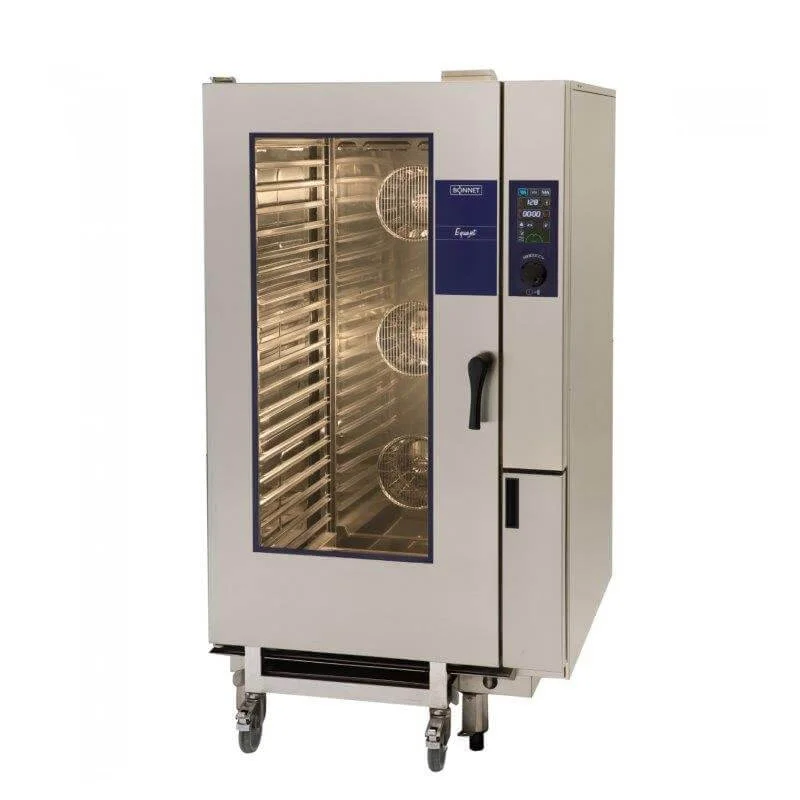
A powerful solution for high-volume kitchens, combining steaming, heating, and grilling in one unit. Ideal for restaurants, bakeries, cafés, and hotels.
Key Features:
- Multiple cooking modes (steam, dry heat, combi)
- High production capacity (20 GN 1/1 trays)
- Space-saving multifunction design
- Stainless steel AISI 304 construction
- Even heat and steam distribution
- Digital programmable control panel
- CE certified and HACCP compliant
Blizzard BPB2000 Pizza Prep Refrigerator (3 Doors)
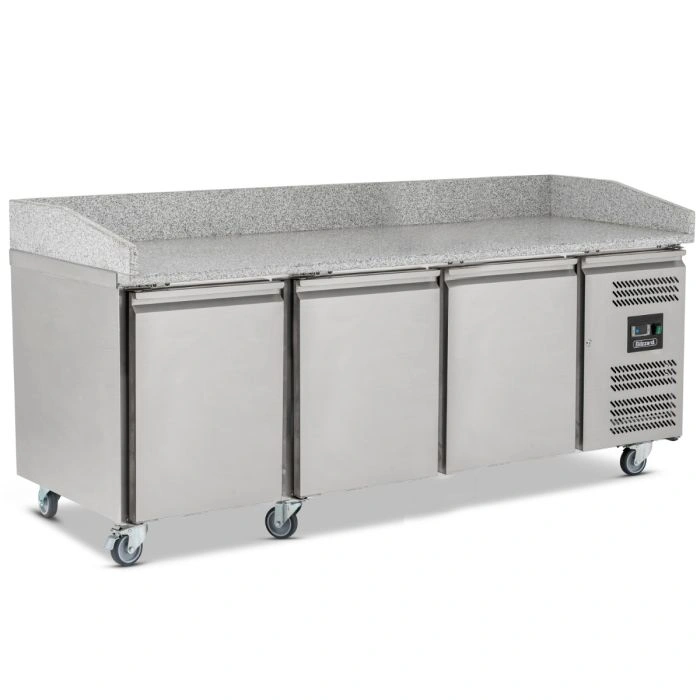
Designed for pizza stations and fast-food kitchens, combining refrigerated storage with a practical preparation surface.
Key Features:
- Granite worktop
- Refrigerated top section for ingredients
- Three storage doors
- Forced-air cooling (+2°C to +8°C)
- Automatic defrost system
- Stainless steel body
- Approx. 600-liter capacity
- Efficient, space-saving design
Tunnel Dishwasher
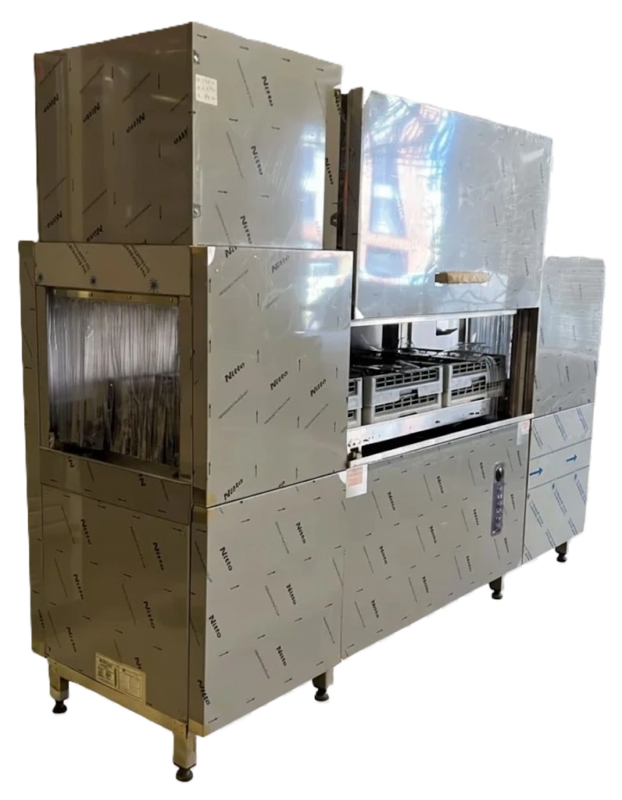
An ideal solution for commercial kitchens requiring high-volume dishwashing with speed and efficiency.
Key Features:
- High washing capacity
- Automatic conveyor system
- Water and energy efficient
- Stainless steel construction
- Safety sensors
- Suitable for heavy-duty kitchenware
Frequently Asked Questions
What equipment is essential for a small restaurant?
Gas range or oven, refrigerators, freezers, exhaust hood, prep surfaces, cutting tools, and serving equipment.
How much does it cost to set up a small restaurant?
Costs vary based on concept and equipment quality and can start from a modest budget.
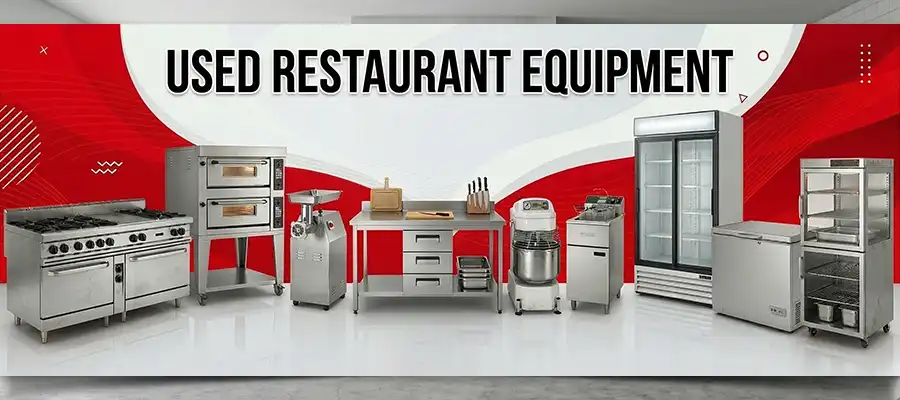
Is it better to buy new or used equipment?
New equipment offers long-term reliability, while high-quality used equipment can reduce initial costs.
Conclusion
We have covered the essential aspects of setting up a small restaurant—from planning and location selection to choosing equipment and focusing on hygiene and service quality. With proper management, continuous improvement, and smart investment, a small restaurant can grow into a successful and profitable business in both the short and long term.
Read:



 Beverage Machines
 Coolers
 Food Preparation
 Heating & Cooking
 KAZ Commercial